
Flexibility in warehousing is no longer a luxury — it’s a necessity, especially during peak seasons. As consumer demands shift rapidly, companies that embrace warehouse flexibility gain a clear competitive edge. A flexible warehousing strategy ensures your operations stay efficient, scalable, and responsive, even when order volumes surge unexpectedly.
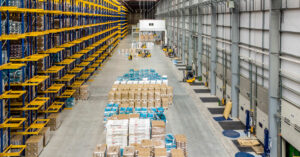
The Role of Flexibility in Modern Warehousing
During high-demand periods, orders can double or even triple overnight. Without warehouse flexibility, rigid systems can quickly collapse under pressure. Flexible warehousing operations allow for quick adjustments in space, staffing, and resource allocation — keeping productivity high and errors low during unpredictable surges.
Scalable and Flexible Space Solutions
At the heart of flexibility in warehousing lies scalability. Businesses can take advantage of variable storage solutions, such as short-term rental spaces for overflow inventory or partnerships with 3PL providers offering on-demand capacity. This ensures you never run out of room when seasonal inventory peaks.
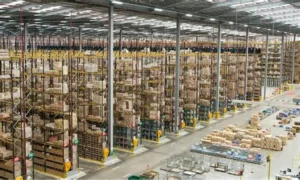
Dynamic and Flexible Workforce Management
Seasonal adaptability isn’t just about space — it’s also about people. Employing temporary workers or automating repetitive processes can keep warehouse operations steady. Pre-peak training ensures your workforce can quickly adjust to changing logistics requirements.
Technology Driving Flexibility in Warehousing
Advanced warehouse management systems (WMS), robotics, and AI-powered forecasting tools provide the agility to respond instantly to changes. Predictive analytics minimizes both overstocking and stockouts, keeping supply chains smooth.
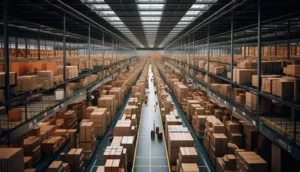
Collaborative and Responsive Logistics
A flexible warehouse thrives on collaboration — with carriers, suppliers, and clients. Sharing real-time data allows everyone in the chain to make faster, informed decisions. This adaptability turns challenges into opportunities for better service delivery.
Conclusion
Flexibility in warehousing ensures continuity, efficiency, and customer satisfaction. In an era where expectations and order volumes fluctuate constantly, warehouse adaptability defines success. Being ready to scale up, optimize resources, and pivot quickly makes your warehouse not just functional — but truly future-ready.