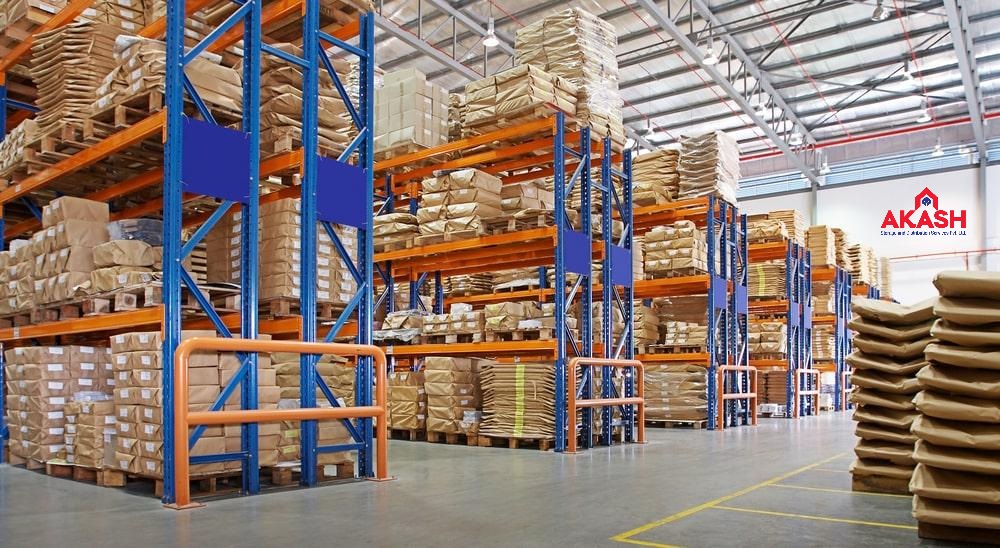
Returns and Reverse Logistics: Managing the Hidden Complexity of Inventory Movement


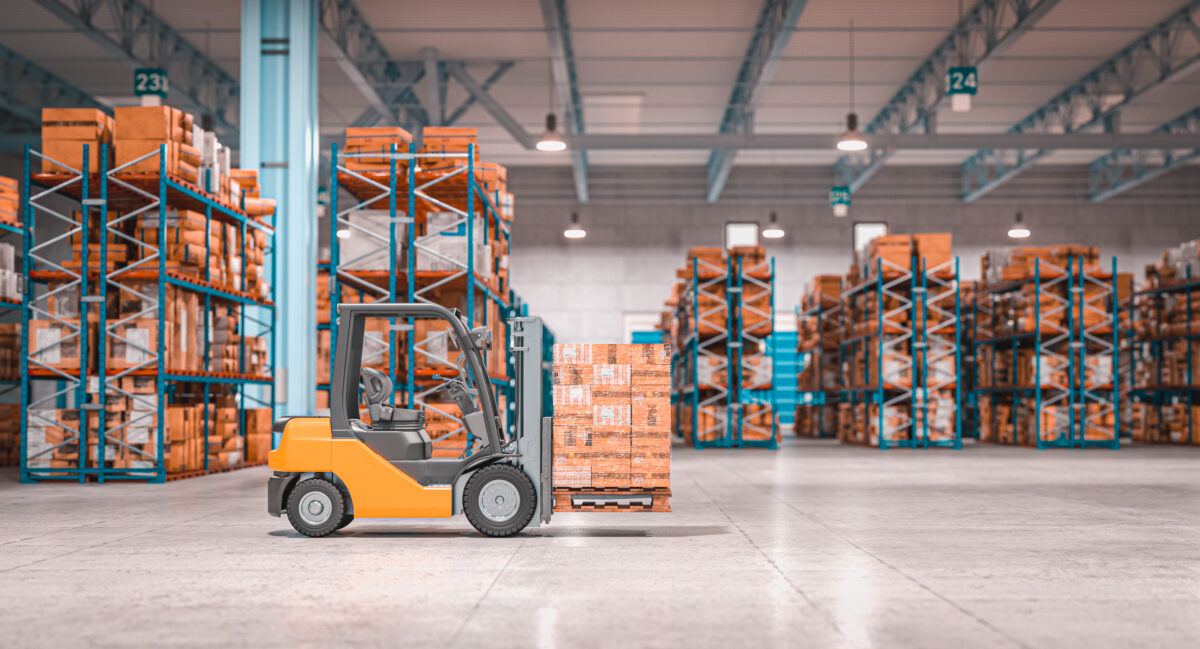
Reverse logistics warehouse management
keeps your business running smoothly. Returns happen every day in modern supply chains. Customers send products back. Damage occurs during transit. Items reach expiry dates. Companies overstock products.

Reverse logistics creates major operational challenges. This affects e-commerce, retail, and FMCG sectors most. Moreover, warehouse management plays a critical role in controlling costs and chaos.

Returns management requires structured processes. Without proper systems, returns disrupt normal operations quickly. Therefore, understanding reverse logistics warehouse strategies becomes essential for success.

Why Reverse Logistics Warehouse Management Matters More Than Ever

Return volumes keep growing across industries. This growth increases several critical problems:

  • Handling costs rise rapidly
  • Inventory confusion spreads
  • Storage space becomes tight
  • Stock contamination risks multiply
  • Data accuracy deteriorates

Without structure, returns disrupt everything. Therefore, proper reverse logistics warehouse management becomes absolutely essential for operations.

Common Problems in Returns Handling

Many businesses struggle with warehouse management for returns. They face these issues:

  • Returned goods mix with saleable stock
  • Inspection processes don’t exist
  • Batch tracking gets completely skipped
  • Documentation stays poor or missing
  • Inventory value erodes constantly

Moreover, these problems originate at warehouses. Consequently, fixing them requires strong reverse logistics improvements at the source.

Importance of Dedicated Returns Zones

Organized reverse logistics warehouse facilities create special areas. These dedicated zones include:

  • Separate returns receiving spaces
  • Inspection and grading zones
  • Quarantine storage for unsellable goods
  • Clear reintegration workflows

In addition, this separation protects good inventory completely. As a result, contamination gets prevented through proper warehouse management practices.

FIFO and Returns Reintegration in Reverse Logistics

FIFO stays critical even during returns processing. Effective reverse logistics warehouse management requires strict adherence:

  • Returned stock can’t block older inventory
  • Batch identification must stay intact
  • Reintroduced goods follow proper sequence

However, improper handling breaks FIFO discipline completely. Therefore, aging risks increase significantly without proper warehouse management systems.

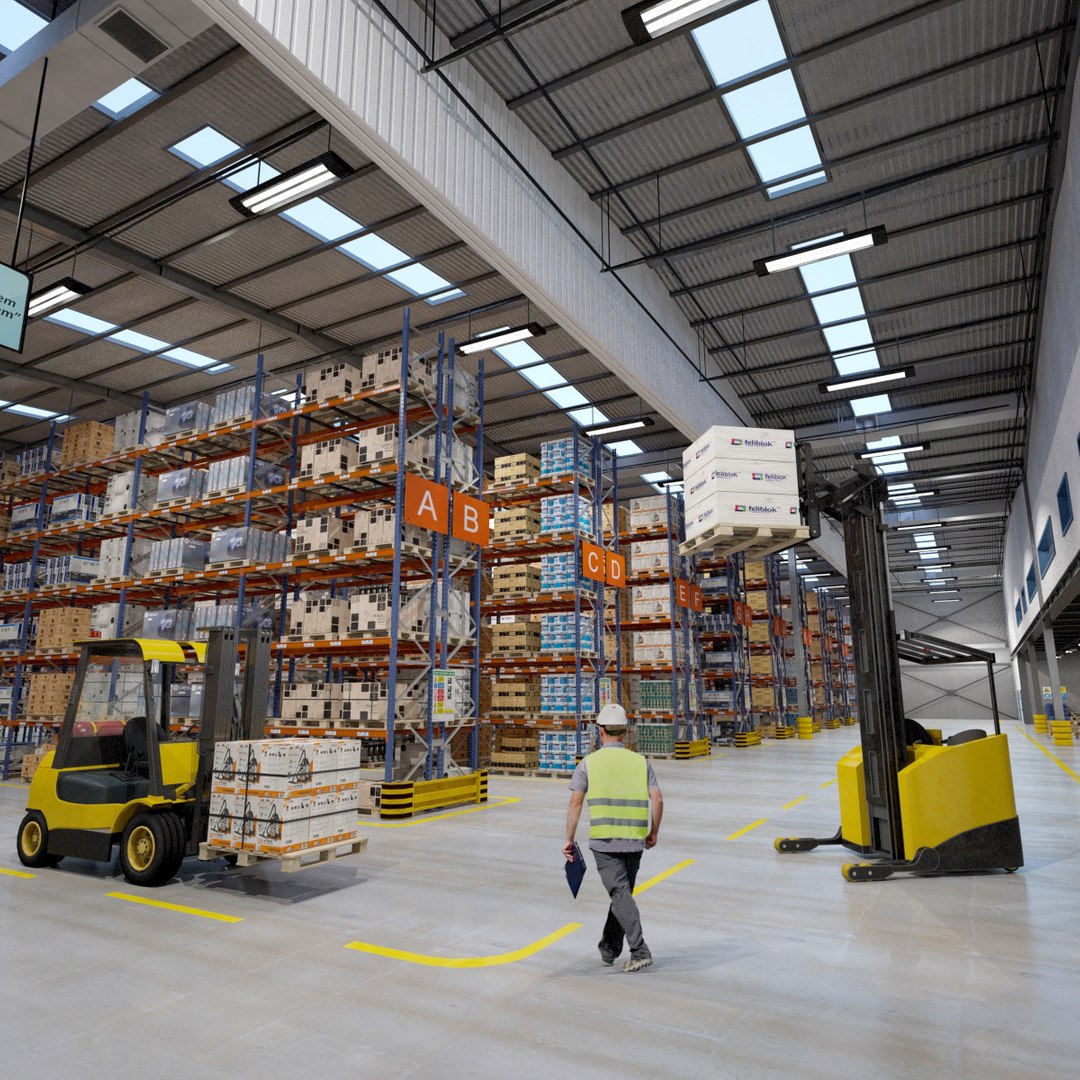
reverse logistics warehouse management

Centralized Warehousing Simplifies Reverse Logistics

Centralizing returns brings substantial benefits. Strong reverse logistics operations gain:

  • Better visibility across all channels
  • Faster inspection cycles
  • Reduced duplication of efforts
  • Easier reporting and compliance

Moreover, Bhiwandi’s centralized warehouse management systems support this approach well. Consequently, Mumbai businesses handle reverse logistics more efficiently than ever.

Sector-Specific Reverse Logistics Warehouse Needs

Different industries require different warehouse management approaches for returns:

E-commerce Returns Management

High volumes arrive daily from customers. Fast inspection becomes absolutely crucial. Reverse logistics warehouse operations must move products quickly through systems.

FMCG Returns Handling

Quality checks matter most here. Expiry control stays essential always. Warehouse management standards must remain consistently high throughout.

Pharma Reverse Logistics

Strict compliance applies at all times. Quarantine procedures run constantly. Reverse logistics rules stay completely non-negotiable for safety.

Data Accuracy and Financial Impact

Reverse logistics affects many critical business areas significantly:

  • Inventory valuation changes frequently
  • Forecasting accuracy drops without data
  • Working capital gets locked unnecessarily
  • Customer satisfaction levels suffer

Therefore, structured warehouse management handling preserves data integrity completely. In addition, financial health improves through better reverse logistics practices.

Akash Storage’s Approach to Reverse Logistics Warehouse Management

Akash Storage manages returns through clearly defined zones. We use FIFO-aligned reintegration processes consistently. Controlled movement protects accuracy at every step. Our reverse logistics warehouse management approach preserves inventory value throughout the entire cycle.

Outsourcing Warehousing in Mumbai Region: When and Why It Makes Business Sense

Outsourcing warehousing Mumbai helps your business grow. Costs drop. Operations improve. You focus on what matters most.

Managing warehouses gets harder as you scale. You face rising costs. Staff problems emerge. Rules become complex. These issues pull you from core work.

Warehouse outsourcing solves these problems. This works especially well in Mumbai and Bhiwandi.

The Shift Toward Outsourced Warehousing

Many sectors now choose outsourcing warehousing Mumbai. FMCG companies do this. So do pharma, retail, and e-commerce firms.

Why do they outsource? Here are the main reasons:

  • Capital spending drops
  • Operations become flexible
  • Professional skills become available
  • Scaling happens without building

Moreover, this trend shows supply chains getting complex. Therefore, smart businesses adapt quickly.

Challenges of In-House Warehousing

Running your own warehouse creates problems. You face several issues:

  • Fixed costs stay high monthly
  • Space scaling becomes difficult
  • Staff dependency creates risks
  • Compliance demands attention constantly
  • Process expertise stays limited

Furthermore, volumes increase over time. Consequently, these challenges multiply. Many businesses struggle as a result.

Warehousing Outsourcing in Mumbai

Benefits of Outsourcing to Bhiwandi Warehouses

Warehouse outsourcing Bhiwandi brings clear wins. The region offers several advantages:

  • Large facilities stand ready
  • Mumbai connections work well
  • Costs stay lower than cities
  • Trained staff are available

In addition, efficiency meets savings here. As a result, operations improve while prices drop.

FIFO and Inventory Control Through Outsourcing

Professional partners follow strict FIFO rules. This approach ensures quality:

  • Stock control works by batch
  • Product losses decrease
  • Compliance stays strong
  • Shipping accuracy improves

However, maintaining this alone proves hard. Therefore, outsourcing warehousing Mumbai brings needed quality.

Centralised Inventory Through Outsourcing

Central hubs help businesses significantly. Outsourced warehousing delivers these benefits:

  • Inventory stays together centrally
  • Stock visibility improves everywhere
  • Planning becomes simpler
  • Working capital unlocks faster

Moreover, response times speed up. Consequently, your supply chain gains agility.

Flexibility and Scalability Benefits

Warehouse outsourcing creates flexibility. Your options expand:

  • Space adjusts as needed
  • Seasonal peaks get handled
  • Long commitments disappear
  • Operations scale without stress

In fact, growth happens smoothly. Furthermore, costs match actual usage.

Choosing the Right Warehousing Partner

The right partner matters greatly. Look for these qualities:

  • Infrastructure stays organised
  • FIFO processes run always
  • Handling remains secure
  • Reporting stays transparent

Therefore, choose carefully. In addition, wrong partners create problems.

Akash Storage as Your Strategic Partner

Akash Storage delivers scalable solutions. We maintain control while supporting growth. Our outsourcing warehousing Mumbai services produce measurable results.

Inventory Forecasting and Demand Planning: How Warehousing Data Drives Smarter Decisions

Inventory forecasting warehousing data helps you make smart choices. Today’s market changes fast. Many businesses guess when ordering stock. This causes big problems. They buy too much or run out of products. Money gets wasted.

Inventory forecasting solves this issue. Moreover, demand planning keeps you ahead of changes.

Warehousing data matters more than you think. In fact, clean warehouse records create the base for good planning. Without accurate data, software cannot help you.

Why Inventory Forecasting Warehousing Data Matters in India

Indian businesses face unique challenges. For instance, they handle:

  • Big seasonal swings
  • Festival sales spikes
  • Regional differences
  • Transport delays
  • Cash flow pressure

Without forecasting warehousing data, you only react. Planning ahead works better. Furthermore, good planning saves money and time.

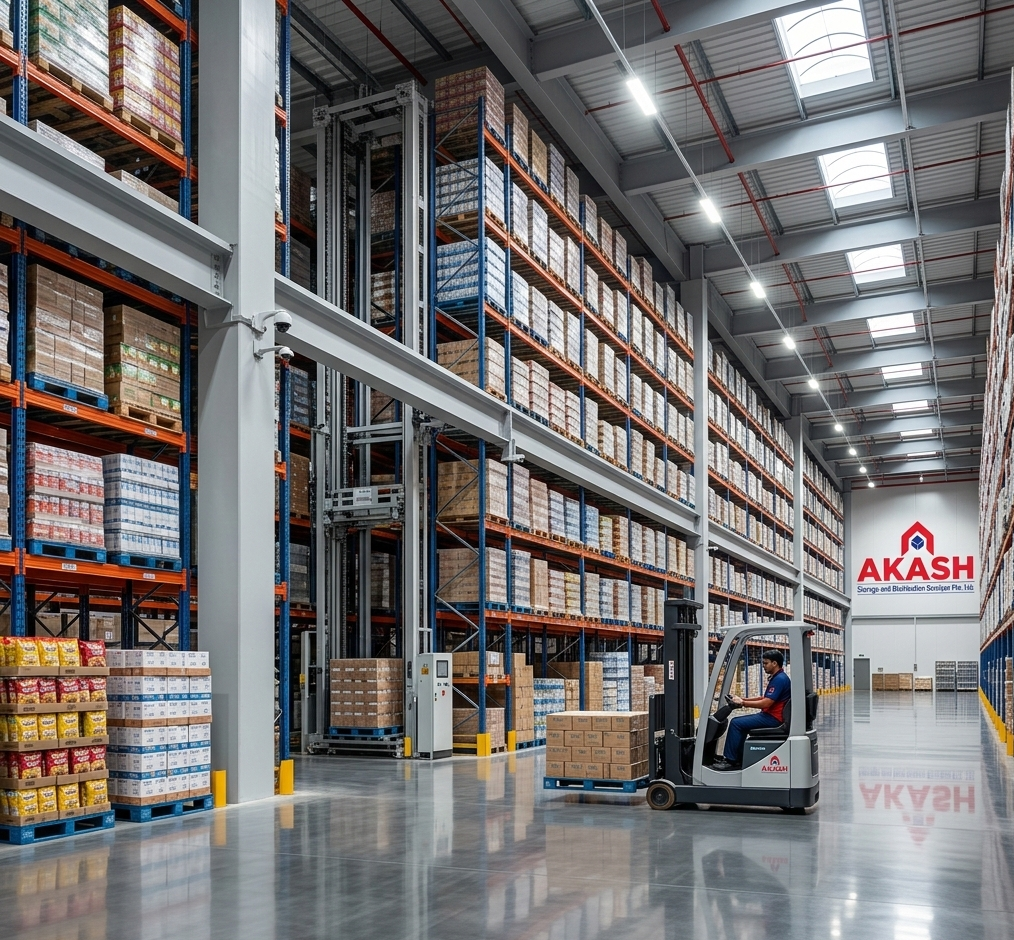
inventory forecasting warehousing data

Warehousing Links to Better Forecasts

Inventory forecasting needs clean warehousing data. You must track:

  • Stock coming in
  • Stock going out
  • Product age
  • Batch movement
  • Sales speed

However, messy warehouses create bad data. Your forecasts then fail. Poor warehousing data leads to wrong choices.

Centralised Hubs Improve Forecasting

Central warehouses make inventory forecasting easier. They help by:

  • Keeping all data together
  • Removing duplicate records
  • Showing every product clearly
  • Making measurements consistent

Moreover, Bhiwandi has great locations. Businesses near Mumbai plan better here. Many improve their demand planning after moving to central hubs.

FIFO Keeps Warehousing Data Clean

FIFO helps your warehousing data stay accurate. Specifically, it ensures:

  • Age records stay correct
  • Old stock gets spotted early
  • Problem items show up fast
  • Expiry risks stay low

Without FIFO, data becomes messy. Forecasts show wrong patterns. Bad warehousing data creates bad decisions.

Different Industries Use Data Differently

Each sector uses warehousing data its own way. For example:

FMCG Tracks Speed

FMCG companies watch product velocity. They focus on reorder timing. Fast movement drives their demand planning.

Retail Follows Seasons

Retail businesses track seasonal trends. Peak times need careful planning. Inventory forecasting guides their buying.

Pharma Monitors Compliance

Pharma firms check expiry dates constantly. Regulations require strict tracking. Accurate warehousing data ensures compliance.

All three need organised warehouses. Clean data helps everyone equally.

Smart Planning Saves Money

Good inventory forecasting cuts costs. Here’s how:

  • Overstocking gets avoided
  • Rush orders become rare
  • Cash flow improves
  • Production matches demand

Therefore, warehouses stop being just costs. Instead, they become profit tools through better warehousing data. Planning also boosts margins.

Technology Needs Discipline First

Software analyses warehousing data well. However, basics matter more:

  • Accurate stock counts
  • Clear movement rules
  • Reliable processes
  • Trained staff

Software alone cannot fix chaos. Build good habits first. Then technology makes inventory forecasting warehousing data even stronger.

Akash Storage Delivers Clean Data

Akash Storage improves inventory forecasting through quality warehousing data. We run centralised warehouses with strict FIFO rules. Our team handles stock carefully.

Accurate warehousing data flows from our systems. This helps your demand planning decisions. Many clients forecast better after joining us.

Multi-Client Warehousing: Improving Efficiency Through Shared Infrastructure

As supply chains grow more complex, many businesses are moving away from dedicated warehouses. Instead, they are choosing multi-client warehousing models. These shared facilities offer flexibility, scalability, and cost efficiency. Moreover, they do this without sacrificing control over inventory.

In logistics hubs like Bhiwandi, multi-client warehousing is becoming increasingly popular. Therefore, understanding this model is essential for growing businesses.

What Is Multi-Client Warehousing?

Multi-client warehousing allows multiple businesses to store inventory within a shared facility. However, each business maintains complete segregation, traceability, and security for their products.

Specifically, each client benefits from:

  • Shared infrastructure and modern facilities
  • Professional management teams
  • Flexible space allocation based on needs
  • Significantly reduced overhead costs

As a result, businesses get enterprise-level warehousing without enterprise-level investments.

Why Businesses Choose Multi-Client Warehousing

There are several compelling reasons why companies prefer this model. Common reasons include:

  • Lower capital investment requirements
  • Faster onboarding and setup time
  • Seasonal flexibility to scale up or down
  • Access to professional systems and processes
  • Reduced operational complexity

Furthermore, this model particularly suits growing businesses. It also works well for companies with fluctuating inventory volumes throughout the year.

Challenges of Multi-Client Warehousing

Without proper controls, however, multi-client facilities can face serious issues. These potential problems include:

  • Inventory mix-ups between different clients
  • Loss of traceability for specific batches
  • FIFO violations and compliance risks
  • Security risks and accountability gaps

Therefore, these challenges require strong process design and strict implementation.

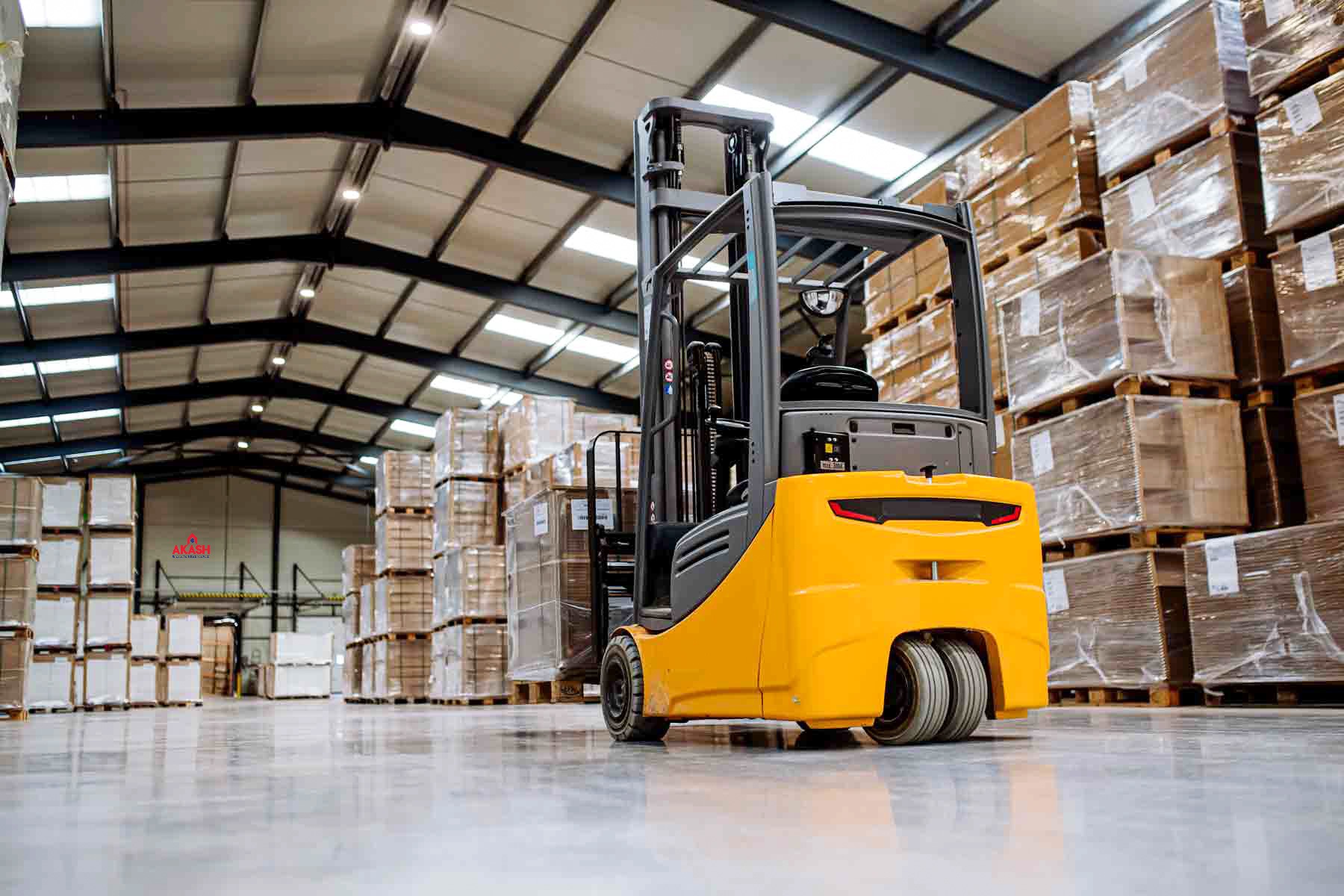
multi-client warehousing Bhiwandi

FIFO and Segregation in Shared Warehouses

FIFO compliance in multi-client setups depends on several critical factors. Specifically, it requires:

  • Client-wise zoning to prevent mixing
  • Batch-level identification for traceability
  • Dedicated storage locations for each client
  • Defined movement paths within the facility

Professional warehouses, therefore, enforce these rules strictly at all times.

Centralized Shared Warehousing Benefits

Centralized multi-client facilities offer unique advantages. For instance, they allow:

  • Better utilization of available space
  • Easier monitoring and supervision
  • Faster dispatch operations
  • Consistent service quality across all clients

Moreover, Bhiwandi’s warehouse clusters support such centralized shared models very efficiently.

Technology and Process Balance

Technology certainly helps track inventory accurately. However, several traditional elements remain essential:

  • Physical segregation between client inventories
  • Clear labeling on all products and locations
  • SOP-based handling procedures
  • Trained manpower who understand the rules

In other words, technology should complement human processes, not replace them entirely.

multi-client warehousing Bhiwandi

Cost and Efficiency Advantages

Multi-client warehousing helps businesses in practical ways. Specifically, it allows them to:

  • Pay only for the space they actually use
  • Scale operations quickly without long commitments
  • Avoid expensive idle capacity during slow periods
  • Improve working capital efficiency significantly

As a result, businesses maintain financial flexibility while accessing professional infrastructure.

Akash Storage’s Multi-Client Warehousing Model

Akash Storage offers structured multi-client warehousing with proven systems. Our approach includes FIFO-driven processes, secure segregation protocols, and centralized inventory control. Consequently, clients get the benefits of shared infrastructure while maintaining complete control over their inventory.

Warehousing risks are often underestimated until losses actually occur.

Warehousing risks are often underestimated until losses actually occur, From product damage to theft, misplacement, and compliance failures, risks can seriously disrupt operations. Furthermore, they can have a direct impact on profitability and customer trust.

In high-volume hubs like Bhiwandi, managing warehouse risk requires structured systems, trained manpower, and disciplined processes. Therefore, businesses need a proactive approach rather than a reactive one.

Understanding Warehouse Risks

Warehouse risks typically fall into five main categories. These include physical damage, inventory shrinkage, fire and safety hazards, process errors, and regulatory non-compliance. Moreover, each risk increases significantly with scale and complexity.

Why High-Volume Warehousing Increases Risk

As inventory volumes grow, several challenges emerge. For instance, movement frequency increases while manual handling errors also rise. Additionally, tracking becomes more complex and accountability becomes harder to maintain. Without proper controls, therefore, small mistakes can multiply very quickly.

Importance of Organized Storage

Disorganized warehouses are inherently risky. However, organized storage can dramatically reduce these risks. Specifically, it helps by assigning fixed locations, improving traceability, and reducing unnecessary handling. Furthermore, it supports FIFO compliance at every stage. Clear labeling and zoning also reduce confusion among warehouse staff.

warehouse risk management Bhiwandi

FIFO as a Risk Control Tool

FIFO is one of the most effective risk control tools available. It minimizes expired stock risks, obsolete inventory, batch mix-ups, and customer complaints. In addition, in regulated industries, FIFO is also a legal compliance requirement.

Centralized Warehousing and Risk Reduction

Centralized warehouses reduce risk in several important ways. They limit access points and improve monitoring. Moreover, they simplify audits and enhance control over inventory movement. As a result, with inventory under one roof, accountability improves significantly.


Safety and Compliance Measures

Professional warehouses implement comprehensive safety measures. These include fire safety systems, material handling SOPs, and trained manpower. Additionally, regular audits and strict documentation discipline protect both inventory and personnel.

Technology as a Risk Enabler

Technology supports risk management through real-time tracking and automated alerts. However, physical discipline and process consistency remain equally critical. Therefore, technology should complement human effort rather than replace it.

Akash Storage’s Risk-Controlled Warehousing

Akash Storage emphasizes structured processes, FIFO discipline, and secure storage environments. Consequently, this approach reduces operational risk across all inventory cycles and gives businesses greater peace of mind.

Why Bhiwandi Is India’s Preferred Warehousing Hub for Inventory Management

Bhiwandi has transformed into one of India’s largest warehousing and logistics clusters over the past decade. Located close to Mumbai, the city has become a preferred destination for businesses seeking cost-effective and well-connected storage solutions. In fact, Bhiwandi now handles a significant portion of Mumbai’s logistics and distribution needs.

With increasing demand for faster deliveries and efficient supply chains, businesses across India are turning to Bhiwandi-based warehouses for centralized inventory management. Moreover, the region continues to attract investments from both domestic and international logistics players. This growth has created a robust ecosystem that supports modern warehousing standards.

Strategic Connectivity That Drives Efficiency

Bhiwandi offers excellent connectivity to Mumbai, Thane, Navi Mumbai, and JNPT Port. This strategic location enables businesses to reduce delivery lead times significantly. Furthermore, it allows companies to manage inventory more effectively across multiple sales channels.

The city sits at the intersection of major highways and rail networks. As a result, goods can move quickly to both urban markets and industrial zones. Additionally, proximity to JNPT Port makes international trade logistics much simpler for import-export businesses.

Akash Storage utilizes this strategic location to provide seamless inbound and outbound inventory movement. Consequently, our clients experience faster order fulfillment and better supply chain responsiveness across all sectors.

Bhiwandi warehousing hub

Growing Demand for Professional Inventory Control

As order volumes grow, businesses require accurate stock control and real-time visibility. Traditional storage methods simply cannot keep up with modern demands. Therefore, professional warehousing partners have become essential for sustainable growth.

Akash Storage supports inventory management through structured warehousing processes, secure storage facilities, and professional handling teams. Our systematic approach ensures that every product is tracked, monitored, and protected throughout its journey.

Moreover, FIFO and batch tracking help businesses maintain strict quality standards. This is especially important in FMCG, pharma, and retail sectors where product freshness and compliance matter most. In addition, these practices reduce waste and improve customer satisfaction.

Cost Efficiency Without Compromise

Compared to central Mumbai locations, Bhiwandi offers significantly lower storage costs. However, this doesn’t mean compromising on connectivity or service quality. Instead, businesses get the best of both worlds—affordability and accessibility.

Akash Storage helps businesses optimize storage space effectively. This optimization reduces unnecessary inventory holding costs while maintaining full operational control. Furthermore, our flexible pricing models adapt to seasonal demand fluctuations and business growth cycles.

Technology-Enabled Warehousing for Modern Needs

Modern inventory management relies heavily on data and real-time visibility. Manual processes simply cannot deliver the accuracy that today’s businesses require. Therefore, technology integration has become a key differentiator in warehousing services.

Akash Storage integrates technology-enabled processes that reduce manual errors significantly. These systems improve reporting accuracy and provide actionable insights for better decision-making. Additionally, our clients benefit from transparent tracking and automated alerts for critical inventory events.

Supporting India’s Growing Supply Chain Infrastructure

Bhiwandi warehouses play a critical role in strengthening India’s overall supply chain infrastructure. The region has become a blueprint for how logistics hubs can support economic growth and business expansion.

Akash Storage continues to support businesses with reliable, scalable, and compliant inventory solutions. We understand that your success depends on our consistency and commitment. Therefore, we focus on building long-term partnerships rather than just providing storage space.

Warehouse Space Optimization in Bhiwandi: Reducing Costs Without Compromising Control

Warehouse space is one of the biggest cost factors in supply chain operations across India. For businesses operating in high-demand regions like Mumbai and Western India, poor space usage can quietly eat into profits every single day. In fact, studies show that inefficient warehouses can waste 20-30% of their total capacity. This means businesses are essentially paying rent for space they cannot use effectively.

Bhiwandi has become a major warehousing hub because of its large warehouse facilities, affordable rental rates, and strategic proximity to Mumbai ports and markets. The region now hosts hundreds of warehouses serving businesses across industries. However, having space alone is not enough to guarantee good results. How you plan and use that space determines your long-term efficiency and profitability. Poor planning leads to congestion, slow operations, and frustrated teams. In contrast, optimized warehouses run smoothly, handle more inventory, and cost less to operate. Therefore, space optimization should be a top priority for any business looking to improve its supply chain performance.

Why Space Optimisation Matters in Indian Warehousing

Many businesses think warehousing costs are fixed. In reality, poor space use leads to several problems:

  • Higher rental expenses
  • More handling time
  • Congestion and safety risks
  • Difficulty following FIFO practices
  • Limited room to grow

Therefore, optimizing warehouse space directly improves both efficiency and cost control.

Common Space Utilisation Mistakes

Indian warehouses often face similar issues. For instance:

  • Random stacking of pallets
  • Wasted vertical space
  • Poor aisle planning
  • Mixing fast and slow-moving products
  • No clear storage zones

Moreover, these problems grow worse as inventory volumes increase.

Structured Layout Planning

Effective space optimization starts with smart layout planning. Specifically, organised warehouses divide space into:

  • Inbound zones
  • Storage zones
  • Picking areas
  • Dispatch bays
  • Returns or quarantine sections

As a result, this zoning reduces unnecessary movement. Furthermore, it improves flow efficiency throughout the warehouse.

warehouse space optimization Bhiwandi

Vertical Storage and Racking Systems

Modern warehouses in Bhiwandi now use racking systems to reach higher. Consequently, vertical storage offers several benefits:

  • Increases capacity without expanding floor space
  • Improves batch-wise sorting
  • Supports FIFO movement
  • Enhances safety and visibility

Additionally, proper racking reduces product damage caused by floor stacking.

FIFO and Space Optimisation Work Together

FIFO compliance depends on easy access. If older stock is blocked by newer inventory, then FIFO fails.

In contrast, optimized layouts ensure:

  • Clear access to older batches
  • Logical storage order
  • Faster picking
  • Fewer handling errors

Therefore, space planning is critical to maintaining inventory discipline.

Centralised Warehousing and Cost Efficiency

Centralised warehouses help businesses in multiple ways. They allow you to:

  • Bring inventory together
  • Reduce duplicate storage
  • Plan space more accurately
  • Control inventory ageing

Furthermore, Bhiwandi’s large warehouse formats make centralized models both practical and cost-effective.

Operational Benefits of Optimised Warehousing

Businesses that optimize space see clear improvements. For example:

  • Lower cost per unit stored
  • Faster order processing
  • Better inventory visibility
  • Safer working conditions
  • Easier business growth

Inventory Visibility and Centralized Warehousing: Building a Smarter Supply Chain in India

Inventory visibility is the ability to know exactly what stock you have,
where it is stored, and how it is moving. In today’s competitive Indian market, visibility has become a foundation for efficient supply chains.

Businesses that lack inventory visibility struggle with planning, forecasting, and customer fulfillment.

Why Inventory Visibility Matters More Than Ever

With rising customer expectations and tighter delivery timelines, businesses need accurate inventory data to:

  • Avoid stockouts
  • Reduce excess inventory
  • Plan replenishment effectively
  • Respond quickly to market changes

Visibility supports both operational efficiency and strategic decision-making.

centralized warehousing India

Common Barriers to Inventory Visibility

Many businesses face visibility challenges due to:

  • Multiple storage locations
  • Manual tracking systems
  • Inconsistent data across warehouses
  • Poor coordination between teams

These issues are common in decentralized inventory models.

Centralized Warehousing as the Visibility Enabler

Centralized warehousing simplifies visibility by bringing inventory under one roof. With a single inventory hub, businesses gain:

  • Unified stock records
  • Easier monitoring
  • Faster reconciliation
  • Better control over inventory flow

Bhiwandi’s connectivity makes it an ideal location for centralized inventory hubs.

FIFO’s Role in Improving Visibility

FIFO improves visibility by creating a logical flow of inventory. When goods move in a planned sequence, tracking becomes simpler and more reliable.

FIFO also supports:

  • Batch traceability
  • Quality assurance
  • Audit readiness

Better Planning Through Visibility

When inventory data is accurate and centralized, businesses can:

  • Forecast demand more accurately
  • Reduce emergency replenishments
  • Improve production planning
  • Align sales and operations more effectively

Professional Warehousing and Data Discipline

Visibility is not only about systems—it is about discipline. Organized storage, defined processes, and trained teams ensure that physical inventory matches records.

Akash Storage’s Approach to Inventory Visibility

Akash Storage helps businesses improve inventory visibility through centralized warehousing, FIFO-driven processes, and structured inventory handling.

Building a Resilient Supply Chain

Inventory visibility strengthens supply chains by reducing uncertainty and improving responsiveness. Businesses with clear visibility are better prepared to handle disruptions.


FIFO and Batch Tracking in FMCG and Pharma Warehousing: Why Discipline Matters

In industries like FMCG and pharmaceuticals, inventory management is not just about storage—it is about control, compliance, and consistency. Products have limited shelf life, strict quality requirements, and high customer expectations. In this environment, FIFO (First In, First Out) and batch tracking are not optional practices; they are essential.

As India’s consumption-driven economy grows, businesses handling high-volume, fast-moving goods must adopt disciplined inventory practices to stay competitive and compliant.

Understanding FIFO and Batch Tracking

FIFO ensures that products received first are dispatched first. Batch tracking involves identifying and managing inventory based on manufacturing or receipt batches.

Together, these practices help businesses:

  • Control product ageing
  • Trace inventory movement
  • Reduce expiry-related losses
  • Maintain quality standards

While the concepts are simple, implementation becomes challenging at scale.

Why FMCG and Pharma Cannot Ignore FIFO

In FMCG and pharma, inventory errors directly impact:

  • Product quality
  • Regulatory compliance
  • Brand reputation
  • Financial performance

Expired or mixed batches can lead to recalls, penalties, and loss of customer trust. FIFO reduces these risks by ensuring smooth and logical stock movement.

Challenges in Indian Warehousing Environments

Many Indian warehouses struggle with FIFO and batch tracking due to:

  • Space constraints
  • Random stacking of goods
  • Manual record-keeping
  • High inventory turnover
  • Multiple SKUs and variants

As volumes increase, these challenges multiply, especially in unorganized storage setups.

FIFO and batch tracking

How Organized Warehousing Enables FIFO Compliance

FIFO works best in organized, centralized warehouses where:

  • Storage locations are predefined
  • Racking systems support logical movement
  • Inbound and outbound paths are clearly separated
  • Batches are visibly labeled and tracked

Bhiwandi-based warehouses provide the space and infrastructure needed to design such layouts effectively.

Role of Centralized Warehousing in Batch Control

Centralizing inventory at a single hub improves batch control by:

  • Reducing duplication of stock
  • Simplifying monitoring and audits
  • Improving visibility across batches
  • Supporting faster recall or withdrawal if required

For FMCG and pharma businesses serving multiple regions, centralized warehousing becomes a critical control point.

Professional Handling and Process Discipline

FIFO and batch tracking require disciplined handling at every stage:

  • Proper inward checks
  • Accurate batch identification
  • Correct storage allocation
  • Planned dispatch sequencing

Professional warehousing partners ensure these processes are followed consistently, even during peak demand periods.

Akash Storage’s Role in FIFO-Driven Warehousing

Akash Storage supports FIFO and batch-based inventory management through structured layouts, systematic processes, and trained warehouse teams. This approach helps FMCG and pharma businesses reduce losses and maintain compliance.

Long-Term Business Impact

Businesses that follow FIFO and batch tracking experience:

  • Lower write-offs
  • Better quality control
  • Higher operational confidence
  • Stronger relationships with distributors and retailers

FIFO Inventory Management: Why It Matters More Than Ever in Indian Warehousing

FIFO First In, First Out is one of the most important Centralized Warehousing inventory management principles. While the concept is simple, its impact on business operations is significant, especially in India’s fast-moving and price-sensitive markets.

As inventory volumes increase and product life cycles shorten, FIFO has become essential rather than optional.

centralized warehouse in Bhiwandi

Understanding FIFO in Simple Terms

FIFO means that the inventory received first is dispatched first. This ensures that older stock is used before newer stock enters circulation.

In theory, FIFO sounds easy. In practice, it requires:

  • Proper warehouse layout
  • Clear labeling and batch identification
  • Disciplined handling processes
  • Trained warehouse staff

Without organized warehousing, FIFO is difficult to maintain consistently.

centralized warehouse in Bhiwandi

Why FIFO Is Critical for Indian Businesses

Many Indian industries deal with products that are time-sensitive. These include:

  • FMCG
  • Pharmaceuticals
  • Food & beverages
  • Cosmetics
  • Industrial chemicals

Failure to follow FIFO can result in expired or obsolete stock, quality complaints, and financial losses.

centralized warehouse in Bhiwandi

Challenges in Implementing FIFO

FIFO often fails in unorganized or overcrowded warehouses due to:

  • Poor layout planning
  • Random stacking of goods
  • Lack of batch visibility
  • Manual tracking errors

As businesses grow, these issues multiply.

How Centralized Warehousing Enables FIFO

Centralized warehouses are better suited for FIFO because they allow:

  • Structured racking systems
  • Defined inbound and outbound paths
  • Controlled inventory movement
  • Better supervision and monitoring

Bhiwandi-based warehouses offer sufficient space and infrastructure to design FIFO-friendly layouts.

Role of Professional Warehouse Management

Professional warehousing partners follow standardized processes that support FIFO, such as:

  • Batch-wise storage allocation
  • Clear inward and outward documentation
  • Regular stock audits
  • Process-driven dispatch planning

These practices ensure FIFO compliance even at high inventory volumes.

Business Benefits of FIFO Compliance

Businesses that consistently follow FIFO experience:

  • Reduced inventory wastage
  • Better product quality
  • Improved compliance
  • Higher customer trust
  • More accurate financial reporting

Akash Storage’s FIFO-Focused Approach

Akash Storage incorporates FIFO principles into its warehouse operations through organized layouts and systematic inventory movement. This helps businesses maintain quality and accuracy across their supply chains.

FIFO as a Competitive Advantage

In today’s market, FIFO is not just about avoiding losses it’s about delivering reliability. Businesses that manage inventory responsibly gain a competitive edge.