
In industries like FMCG and pharmaceuticals, inventory management is not just about storage—it is about control, compliance, and consistency. Products have limited shelf life, strict quality requirements, and high customer expectations. In this environment, FIFO (First In, First Out) and batch tracking are not optional practices; they are essential.
As India’s consumption-driven economy grows, businesses handling high-volume, fast-moving goods must adopt disciplined inventory practices to stay competitive and compliant.
Understanding FIFO and Batch Tracking
FIFO ensures that products received first are dispatched first. Batch tracking involves identifying and managing inventory based on manufacturing or receipt batches.
Together, these practices help businesses:
- Control product ageing
- Trace inventory movement
- Reduce expiry-related losses
- Maintain quality standards
While the concepts are simple, implementation becomes challenging at scale.
Why FMCG and Pharma Cannot Ignore FIFO
In FMCG and pharma, inventory errors directly impact:
- Product quality
- Regulatory compliance
- Brand reputation
- Financial performance
Expired or mixed batches can lead to recalls, penalties, and loss of customer trust. FIFO reduces these risks by ensuring smooth and logical stock movement.
Challenges in Indian Warehousing Environments
Many Indian warehouses struggle with FIFO and batch tracking due to:
- Space constraints
- Random stacking of goods
- Manual record-keeping
- High inventory turnover
- Multiple SKUs and variants
As volumes increase, these challenges multiply, especially in unorganized storage setups.
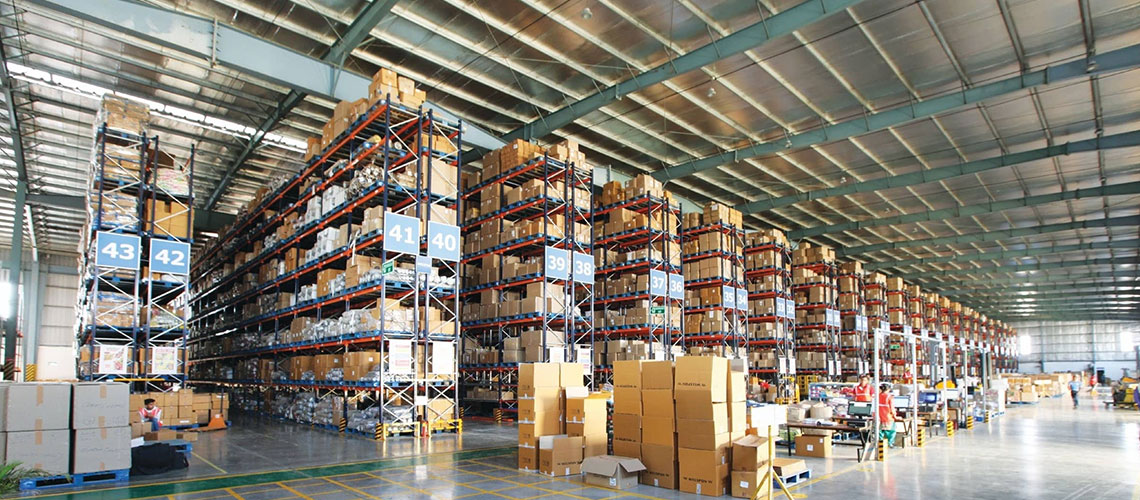
How Organized Warehousing Enables FIFO Compliance
FIFO works best in organized, centralized warehouses where:
- Storage locations are predefined
- Racking systems support logical movement
- Inbound and outbound paths are clearly separated
- Batches are visibly labeled and tracked
Bhiwandi-based warehouses provide the space and infrastructure needed to design such layouts effectively.
Role of Centralized Warehousing in Batch Control
Centralizing inventory at a single hub improves batch control by:
- Reducing duplication of stock
- Simplifying monitoring and audits
- Improving visibility across batches
- Supporting faster recall or withdrawal if required
For FMCG and pharma businesses serving multiple regions, centralized warehousing becomes a critical control point.
Professional Handling and Process Discipline
FIFO and batch tracking require disciplined handling at every stage:
- Proper inward checks
- Accurate batch identification
- Correct storage allocation
- Planned dispatch sequencing
Professional warehousing partners ensure these processes are followed consistently, even during peak demand periods.
Akash Storage’s Role in FIFO-Driven Warehousing
Akash Storage supports FIFO and batch-based inventory management through structured layouts, systematic processes, and trained warehouse teams. This approach helps FMCG and pharma businesses reduce losses and maintain compliance.
Long-Term Business Impact
Businesses that follow FIFO and batch tracking experience:
- Lower write-offs
- Better quality control
- Higher operational confidence
- Stronger relationships with distributors and retailers