Sustainable Warehousing: The Future of Eco-Friendly Logistics

Why Sustainability Matters

Sustainable warehousing and logistics are becoming important for every business. Today, customers prefer eco-friendly companies. At the same time, businesses want to reduce costs and waste. Because of this, warehouses are moving toward greener and cleaner operations.

In addition, sustainability helps companies follow environmental rules. It also improves brand trust. As a result, green practices are no longer optional.

Warehousing

Energy-Efficient Infrastructure

Energy use is a major concern in sustainable logistics. Many modern warehouses now use solar panels. They also install LED lights to save power. Smart energy systems control lighting and cooling automatically.

Because of these changes, electricity use goes down. At the same time, carbon emissions are reduced. Therefore, energy-efficient infrastructure supports both savings and sustainability.

Electric Transport and EV Fleets

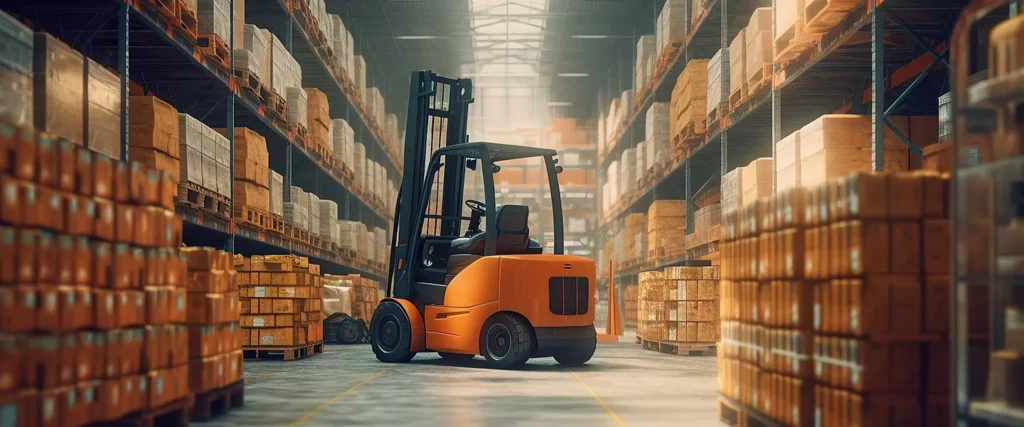
Electric vehicles are changing warehousing and logistics. Many warehouses now use electric forklifts. Delivery companies are also adding electric vans to their fleets.

As a result, air pollution is reduced. Noise levels are lower as well. Over time, companies save money on fuel and maintenance. Most importantly, electric transport improves workplace safety.

Warehousing

Recycling and Waste Reduction

Waste management is a key part of sustainable logistics. Warehouses use recyclable packaging and reusable pallets. Many facilities also separate waste properly. Because of this, landfill waste is reduced. In addition, recycling helps companies build a positive image. Customers trust brands that care about the environment.

Smart Planning for Lower Emissions

Smart tools support sustainable warehousing by improving planning. Route optimization software reduces travel distance. Predictive tools also avoid empty trips. As a result, fuel use goes down. Delivery times improve as well. Therefore, smart planning saves time and protects the environment.

Warehousing

Conclusion

The future of warehousing and logistics is clean and efficient. Green energy, electric transport, and smart planning are key drivers. By adopting these solutions, companies reduce impact and improve performance.

Akash Storage Boosts India’s 3PL with Real-Time Tracking

News

Akash Storage real-time tracking in India marks an important step in digital logistics. Akash Storage has launched a new real-time tracking system to improve efficiency and transparency across its 3PL operations. This upgrade supports businesses that need fast, accurate, and reliable supply chain visibility.

real-time trackingFirst of all, the new system gives customers full visibility. Clients can check inventory levels at any time. They can also track shipment status and warehouse movement. All information appears on a single digital dashboard.

As a result, planning becomes easier. Businesses can avoid delays. They can also respond quickly to demand changes. Because of this, confidence in logistics operations increases.

Moreover, Akash Storage real-time tracking in India improves daily warehouse operations. Teams can monitor goods movement inside the facility. If an issue appears, they can act early.

Therefore, errors reduce. Accuracy improves. Operations become smoother and faster. This leads to better service quality for customers.

Moreover, Akash Storage real-time tracking in India improves daily warehouse operations. Teams can monitor goods movement inside the facility. If an issue appears, they can act early.

Therefore, errors reduce. Accuracy improves. Operations become smoother and faster. This leads to better service quality for customers.

Furthermore, Akash Storage shared that this launch supports its long-term strategy. The company aims to build a smarter and more reliable 3PL network in India.

Along with tracking tools, Akash Storage continues to invest in digital systems. These systems improve transparency and trust. They also support data-based decisions.

How Technology Will Shape the Future of Warehousing and Logistics

Technology is changing logistics. It is the biggest game-changer today. Now, companies use smart tools to work faster. As a result, errors reduce and planning improves.

Today, customer demand is rising. Because of this, logistics teams must act quickly. So, technology helps them stay ready and competitive.

Technology

AI and Data Analytics Improve Planning

First, AI helps predict demand. It studies past sales. Then, it shows what customers may need next.

As a result, companies plan inventory better. In addition, data analytics cuts waste. So, costs reduce and profits improve. Overall, better data leads to better decisions.

IoT Enables Real-Time Monitoring

Next, IoT devices track goods in real time. For example, they monitor temperature and weight. This is useful for food, chemicals, and healthcare.

Because of this, teams spot problems early. Then, they can act fast. As a result, safety and control improve.

Robotics and Automation Increase Speed

Meanwhile, robots handle picking and packing. So, workers face less load. At the same time, accuracy improves.

In addition, automated forklifts move goods safely. Therefore, warehouses run smoothly and faster.

Smarter Last-Mile Delivery

Finally, delivery is also changing. Now, companies use drones and electric vehicles. Also, smart routes save time.

Because of this, deliveries are faster. At the same time, fuel use drops. So, delivery becomes cleaner.

The Future of Logistics: Meeting Modern Customer Expectations

Customer Expectations Are Changing

Changing customer expectations in logistics are transforming how warehouses and supply chains operate. Today’s customers want fast delivery, clear tracking, and reliable service. Because of this, logistics companies must change the way they work to stay competitive.

Earlier, customers were willing to wait. However, expectations are now very different. Speed, accuracy, and transparency matter more than ever. As a result, warehousing and logistics operations are evolving quickly.
Future of Logistics

Faster Delivery Standards

First of all, customers expect quick delivery. Same-day and next-day delivery are becoming common demands. To meet this need, warehouses use automation and smart tools. These tools speed up picking, packing, and dispatch.

Moreover, faster processes reduce errors. This improves customer satisfaction. As delivery speed increases, companies gain a strong market advantage.
Future of Logistics

End-to-End Transparency

Next, transparency plays a key role in logistics success. Customers want to track orders in real time. They expect clear and regular updates.

Therefore, companies now use digital tracking systems. These systems send alerts and notifications. As a result, customers feel informed and confident. Businesses that offer full visibility stand out from competitors.

Hyper-Personalized Services

In addition, AI and data tools help companies understand customer behavior. Predictive systems show which products customers want and when they want them.

Because of this, warehouses can store the right products in the right location. This reduces delivery delays. It also supports smoother operations. Changing customer expectations in logistics make personalization a key success factor.
Future of Logistics

Focus on Quality and Reliability

However, speed alone is not enough. Customers also expect safe handling and consistent service. Damaged or delayed goods hurt trust.

For this reason, warehouses focus on quality checks and process control. Reliable service builds long-term customer relationships.

Conclusion

In conclusion, changing customer expectations in logistics are shaping the future of warehousing and delivery. Companies must focus on speed, transparency, personalization, and reliability. Those who adapt early will lead the next phase of logistics growth.

Reinventing Warehousing and Logistics for a Digital India

India’s warehousing and logistics sector is changing rapidly. Growth in e-commerce, manufacturing, and organized retail is increasing the demand for faster and more reliable supply chains. As a result, companies are now shifting toward digital systems that make operations smooth, efficient, and predictable.

Technology is becoming the backbone of modern warehousing. Digital platforms help manage inventory, monitor stock movement, and reduce delays. These systems also allow businesses to plan better and respond quickly to market demand.
Warehousing and Logistics
The Power of Automation

Automation is playing a major role in the future of logistics. Automated machines handle sorting, packing, and scanning tasks. This reduces manual errors and improves accuracy. In addition, automation saves time and increases warehouse productivity. As operations become faster, businesses can meet tight delivery timelines with ease.

Better Visibility and Transparency

End-to-end visibility is another key trend shaping the industry. Companies can now track shipments from the warehouse to the final delivery point. Real-time updates, digital reports, and instant alerts help businesses stay informed. As a result, decision-making becomes faster and more reliable.

Customized Solutions for Every Industry

Different industries have different storage and handling needs. Warehousing solutions are becoming more specialized. Facilities now offer customized storage for chemicals, food products, retail goods, and industrial materials. These tailored solutions improve safety, compliance, and efficiency.

Focusing on Customer Experience

Customer experience remains a top priority in digital logistics. Clear communication, regular updates, and on-time deliveries help build trust. When logistics runs smoothly, businesses can form long-term partnerships with their customers.

Overall, the future of warehousing in India is digital, transparent, and customer-focused. With smart technology and automation, the logistics sector is set to support India’s growing economy.

Storage Expands Infrastructure to Strengthen India’s 3PL Future

 Our 3PL expansion in India marks a major step toward building stronger and smarter supply chains. The company has announced a significant expansion of its warehousing infrastructure to support India’s fast-growing logistics and distribution sector. This move aims to meet rising demand from e-commerce, chemical, and industrial businesses across the country.

Infrastructure to Strengthen

India’s logistics needs are changing quickly. Businesses now require more space, faster movement, and safer storage. To meet these needs, investing in modern warehouses with higher capacity and improved safety standards. These facilities are designed to handle large volumes while maintaining operational efficiency.

Our Storage 3PL expansion in India includes advanced material-handling systems. These systems help move goods faster and reduce manual effort. In addition, the company has introduced new technology to manage inventory and daily operations. As a result, clients can expect better accuracy and quicker turnaround times.

Cost control is another key benefit of this expansion. By improving warehouse design and process flow, Our Storage helps businesses lower operational expenses. Faster loading and unloading also reduce delays across the supply chain.

Industry experts believe this Our Storage 3PL expansion in India places the company among the key players shaping the future of logistics. The company focuses on scalability, transparency, and customer-first processes. These values help build long-term trust with clients.

Sustainability also remains a strong priority. Our Storage continues to invest in green logistics practices. These include reduced energy use, better space planning, and optimized transportation routes. Such steps help lower environmental impact while improving efficiency.

Looking ahead, Our Storage plans to expand further and adopt smarter tools. The goal is to support India’s move toward faster, cleaner, and more reliable supply chains. Through the Our Storage 3PL expansion in India, the company aims to deliver long-term value to businesses across industries.

The Future of Warehousing and Logistics: A Smarter and Faster World

The future of warehousing and logistics is changing rapidly. Businesses now expect fast delivery, accurate stock updates, and smooth operations. To meet these growing needs, companies are upgrading their systems with technology, automation, and better planning. As a result, supply chains are becoming more efficient and more reliable.

future of warehousing and logistics

Technology Driving the Future of Warehousing and Logistics

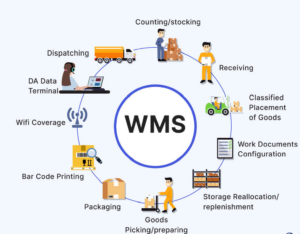
Technology is at the heart of the future of warehousing and logistics. Automated systems, barcode scanners, and digital tools help teams work faster and with fewer errors. In addition, real-time tracking shows the exact location of goods. This reduces delays, improves accuracy, and supports better decision-making. As technology advances, warehouses will rely even more on digital tools to manage daily operations.

Smart Warehouses for Smarter Logistics

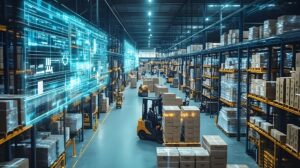
Smart warehouses are a key part of the future of warehousing and logistics. Sensors, scanners, and digital dashboards guide workers throughout the warehouse. Because of these tools, storing and picking items becomes easier and faster. Moreover, automated vehicles and robots will move goods across the warehouse without human effort. These innovations save time, reduce mistakes, and increase overall productivity.

Faster Delivery Systems for Better Customer Experience

Fast delivery is now a major customer expectation. Therefore, logistics companies are improving transport planning, route optimization, and real-time tracking. These upgrades reduce travel time and ensure on-time delivery. Furthermore, better coordination between warehouses and transport teams creates smoother and more reliable delivery networks.

Sustainable and Eco-Friendly Operations

Sustainability is also shaping the future of warehousing and logistics. Many companies are shifting to energy-efficient vehicles, reduced packaging waste, and solar-powered warehouses. These green practices help lower carbon footprints. Additionally, eco-friendly operations attract customers and partners who prefer responsible and sustainable supply chain solutions.

Smart Warehousing: The Future of Logistics with AI and Intelligent Systems

Smart warehousing is becoming a major force in the logistics industry. In today’s fast-changing supply chains, companies rely on technology to improve accuracy, speed, and efficiency. Smart warehousing uses AI, automation, and real-time data to cut costs and improve performance. Smart systems help businesses deliver faster and more reliable services.

Smart warehousing

AI-Powered Decision Making in Smart Warehousing

AI plays a key role in the growth of smart warehousing. It studies demand patterns, customer behaviour, and stock movements. AI predicts future orders and keeps inventory at the right levels. Moreover, AI recommendations support managers in making quick and confident decisions.

IoT and Connected Operations for Smarter Warehouses

Another important part is IoT technology. IoT devices monitor inventory in real time and update teams on temperature, storage conditions, and product location. With real-time visibility, managers stop guessing and act on accurate data. This connectivity reduces errors and makes daily operations more efficient.

Smart warehousing

Autonomous Vehicles and Drones in Smart Warehousing

Smart warehousing also includes the use of autonomous vehicles and drones. Self-driving forklifts move goods safely and consistently. Drones perform quick scans and check inventory without slowing down operations. These technologies reduce human risk, cut labour costs, and speed up repetitive tasks. Additionally, they help warehouses run smoothly during peak seasons.

Customer-Centric Logistics Through Warehousing

Smarter warehouses lead to better customer service. With faster order processing and accurate tracking, customers receive their products on time and with fewer mistakes. This builds trust and increases brand loyalty. In addition allows companies to respond quickly to changing customer needs and market trends.

Smart warehousing

Conclusion: A Smarter and More Connected Supply Chain

Smart warehousing is shaping a future where decisions are faster, more accurate, and data-driven. AI, IoT, and autonomous tools work together to improve every part of the supply chain. Investing in warehousing today ensures greater efficiency and customer satisfaction tomorrow.

The Future of Warehousing and Logistics: How Technology Is Transforming

The Future of Warehousing and Logistics

The future of warehousing and logistics is changing fast. Technology is transforming supply chains by making operations smarter, faster, and more accurate. Companies that adopt these new tools early gain a strong competitive edge through better performance and improved customer satisfaction.

Warehousing & Logistics

Automation and Robotics

Automation plays a major role in the future of warehousing and logistics. Today, robots pick, sort, and move products with high accuracy. As a result, daily tasks are completed faster and with fewer mistakes. Automated storage and retrieval systems also save warehouse space and reduce operating costs. Moreover, automation helps teams focus on more important work instead of manual, repetitive tasks.

Data and Real-Time Visibility

Another key part of the future of warehousing and logistics is real-time data. IoT devices, sensors, and tracking tools monitor inventory from storage to final delivery. With this visibility, managers can quickly respond to delays, demand changes, or stock issues. Additionally, data dashboards support faster decision-making and improve overall supply chain performance.

Warehousing & Logistics

Sustainability and Green Logistics

Sustainability is becoming essential in the future of warehousing. Many companies now use electric forklifts, solar-powered warehouses, and eco-friendly packaging. These green practices reduce carbon footprints and lower energy costs. In addition, sustainable operations help businesses build trust with clients who prefer environmentally responsible partners.

Stronger Partnerships

The future of warehousing and logistics also depends on stronger partnerships. When warehouses, transport companies, and clients work together, the supply chain becomes more efficient. Sharing data, forecasts, and goals leads to smoother operations, fewer delays, and better planning. Therefore, collaboration is now a key driver of a reliable and flexible supply chain.

Warehousing & Logistics

Conclusion

The future of warehousing and logistics is smart, connected, and technology-driven. Automation, real-time data, and sustainable solutions are creating new opportunities for growth. Companies that embrace these changes will not only stay competitive but also deliver faster, more accurate, and more reliable service.

Future of Warehousing and Logistics Build Strong Partnerships

The future of warehousing and logistics is changing fast. It is now shaped by technology, efficiency, and teamwork. At Akash Storage, we believe strong partnerships with our clients help us grow together. As supply chains become smarter, trust and flexibility become even more important for long-term success.

Future of Warehousing

Embracing Technology Through Collaboration

Automation, AI, and IoT are transforming how goods are stored and moved. However, technology works best when businesses and storage partners work together. By understanding client needs and using digital tools, Akash Storage ensures smooth, accurate, and cost-efficient operations.

Future of Warehousing

Sustainability and Shared Responsibility

Today, warehouses must follow eco-friendly and responsible practices. Through strong partnerships, we help clients choose greener storage and packaging solutions. As a result, we reduce carbon footprints while maintaining high performance.

Future of Warehousing

Empowering Businesses with Flexibility

Because the market changes quickly, flexibility matters more than ever. Akash Storage offers scalable storage solutions that support seasonal needs and business growth. By staying connected with our clients, we can plan ahead and offer the agility modern supply chains need.

Conclusion

In the future, warehousing will be more collaborative, digital, and sustainable. Through strong partnerships, Akash Storage helps businesses stay ready for new challenges, follow new trends, and grow with confidence.