Warehousing risks are often underestimated until losses actually occur.

Warehousing risks are often underestimated until losses actually occur, From product damage to theft, misplacement, and compliance failures, risks can seriously disrupt operations. Furthermore, they can have a direct impact on profitability and customer trust.

In high-volume hubs like Bhiwandi, managing warehouse risk requires structured systems, trained manpower, and disciplined processes. Therefore, businesses need a proactive approach rather than a reactive one.

Understanding Warehouse Risks

Warehouse risks typically fall into five main categories. These include physical damage, inventory shrinkage, fire and safety hazards, process errors, and regulatory non-compliance. Moreover, each risk increases significantly with scale and complexity.

Why High-Volume Warehousing Increases Risk

As inventory volumes grow, several challenges emerge. For instance, movement frequency increases while manual handling errors also rise. Additionally, tracking becomes more complex and accountability becomes harder to maintain. Without proper controls, therefore, small mistakes can multiply very quickly.

Importance of Organized Storage

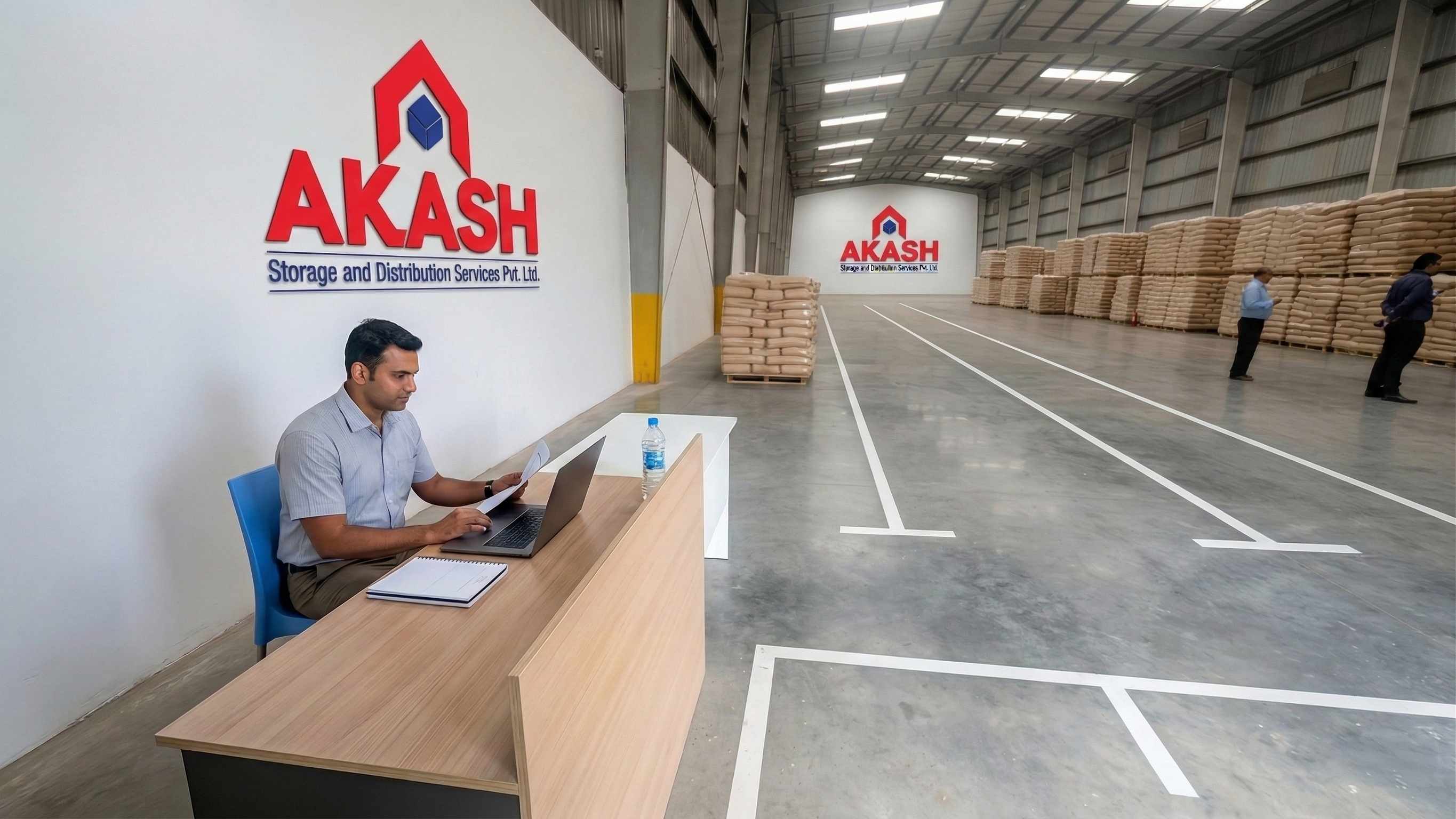
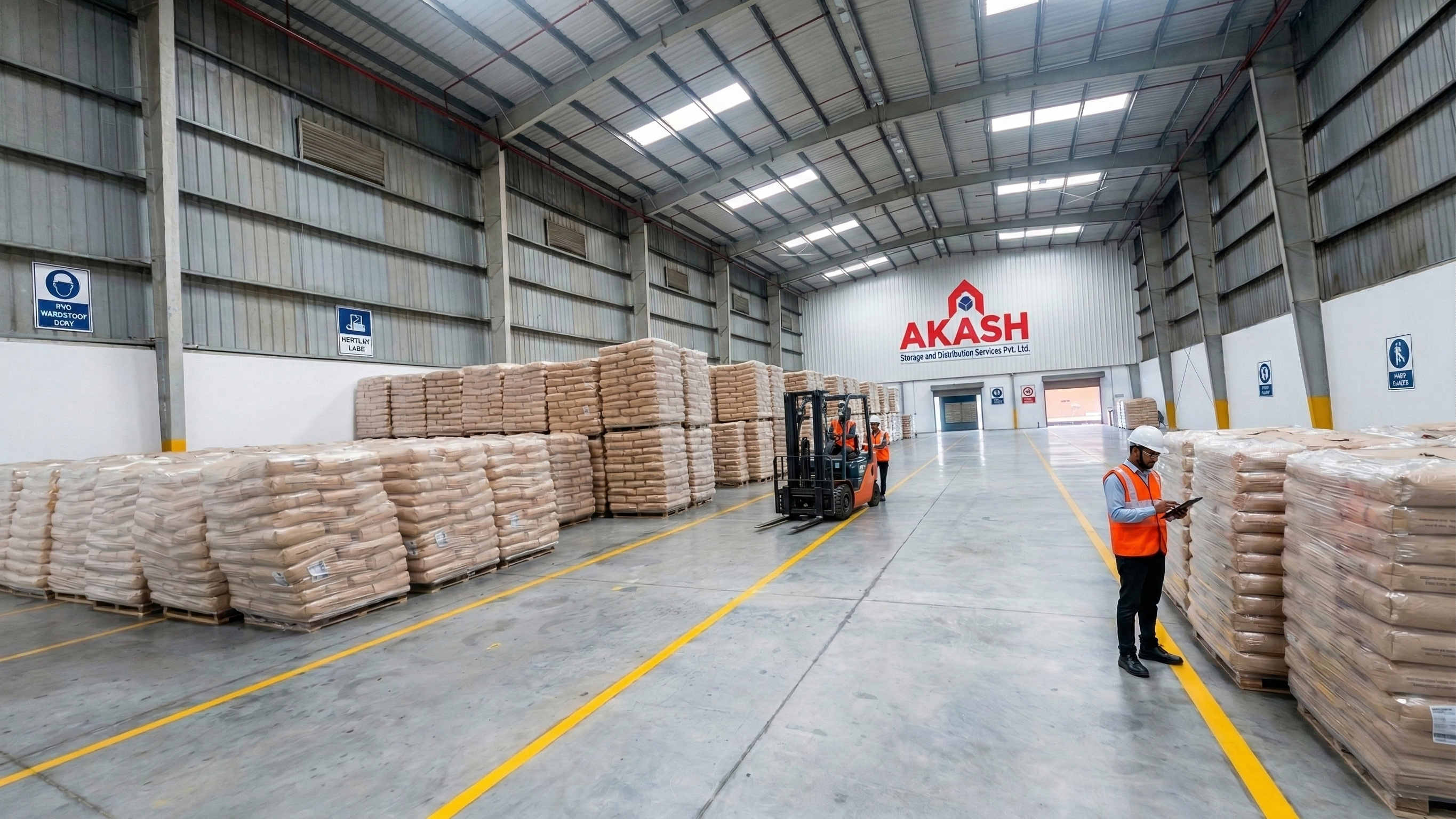
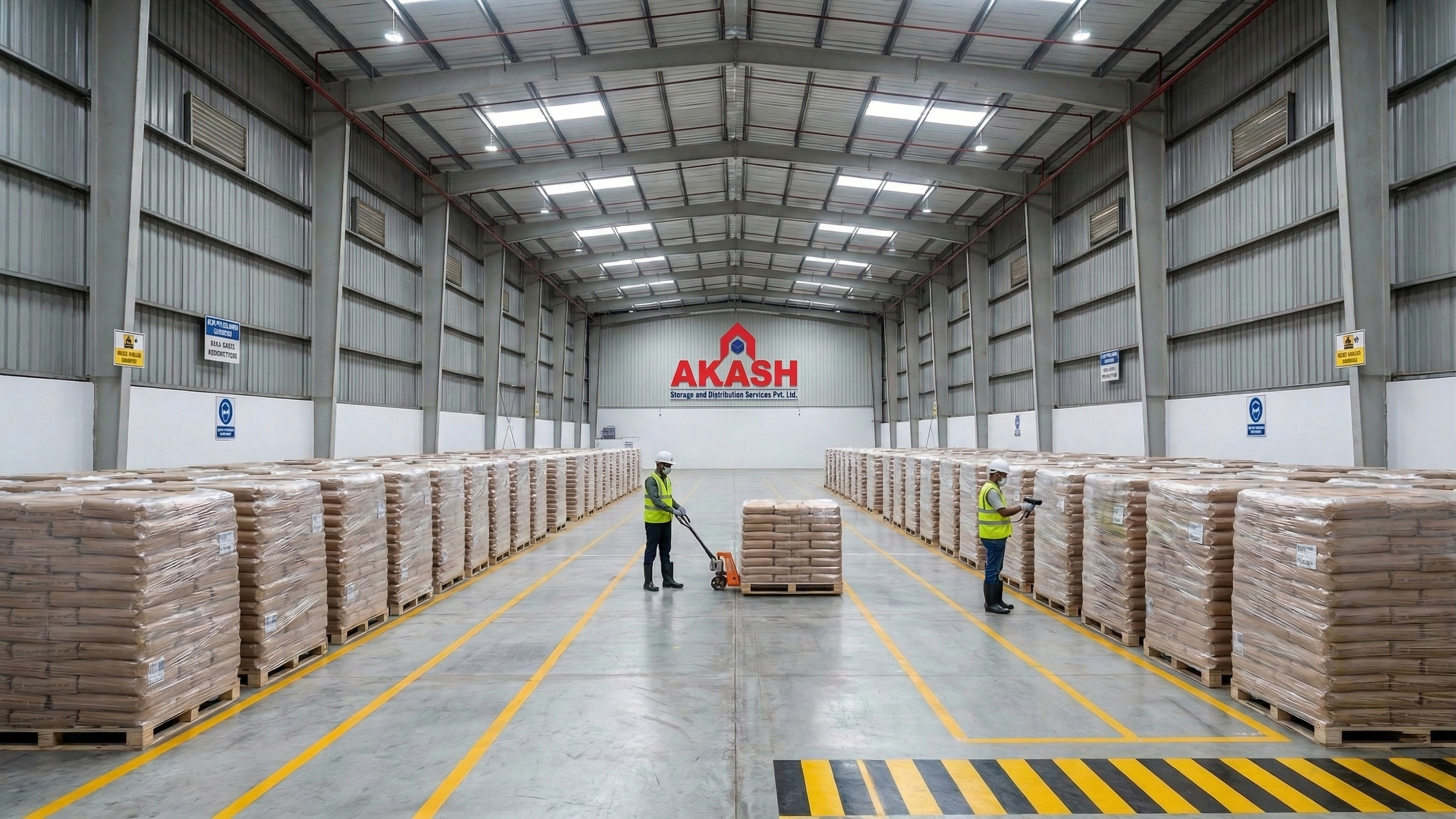
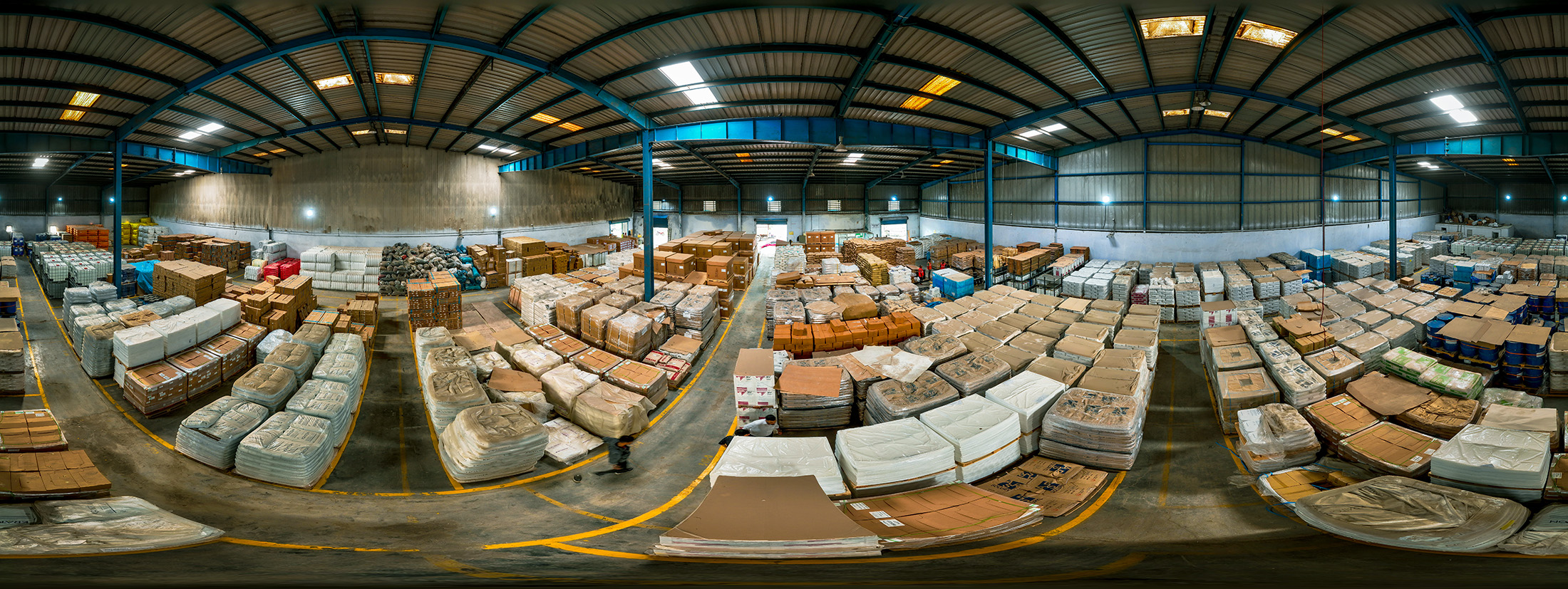
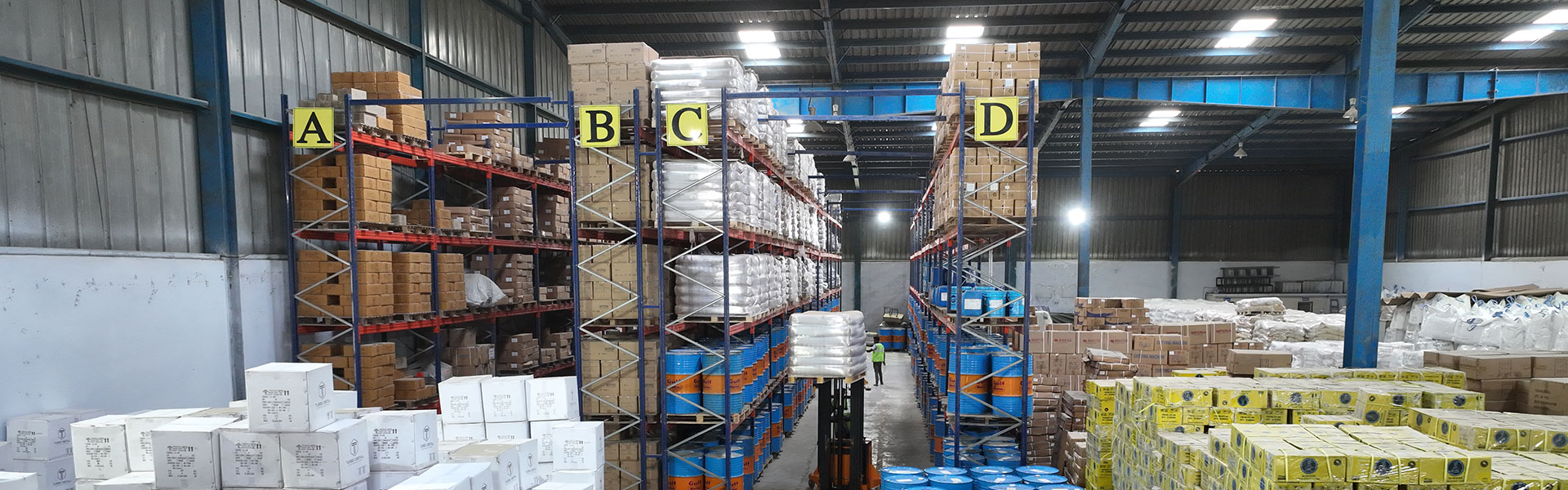
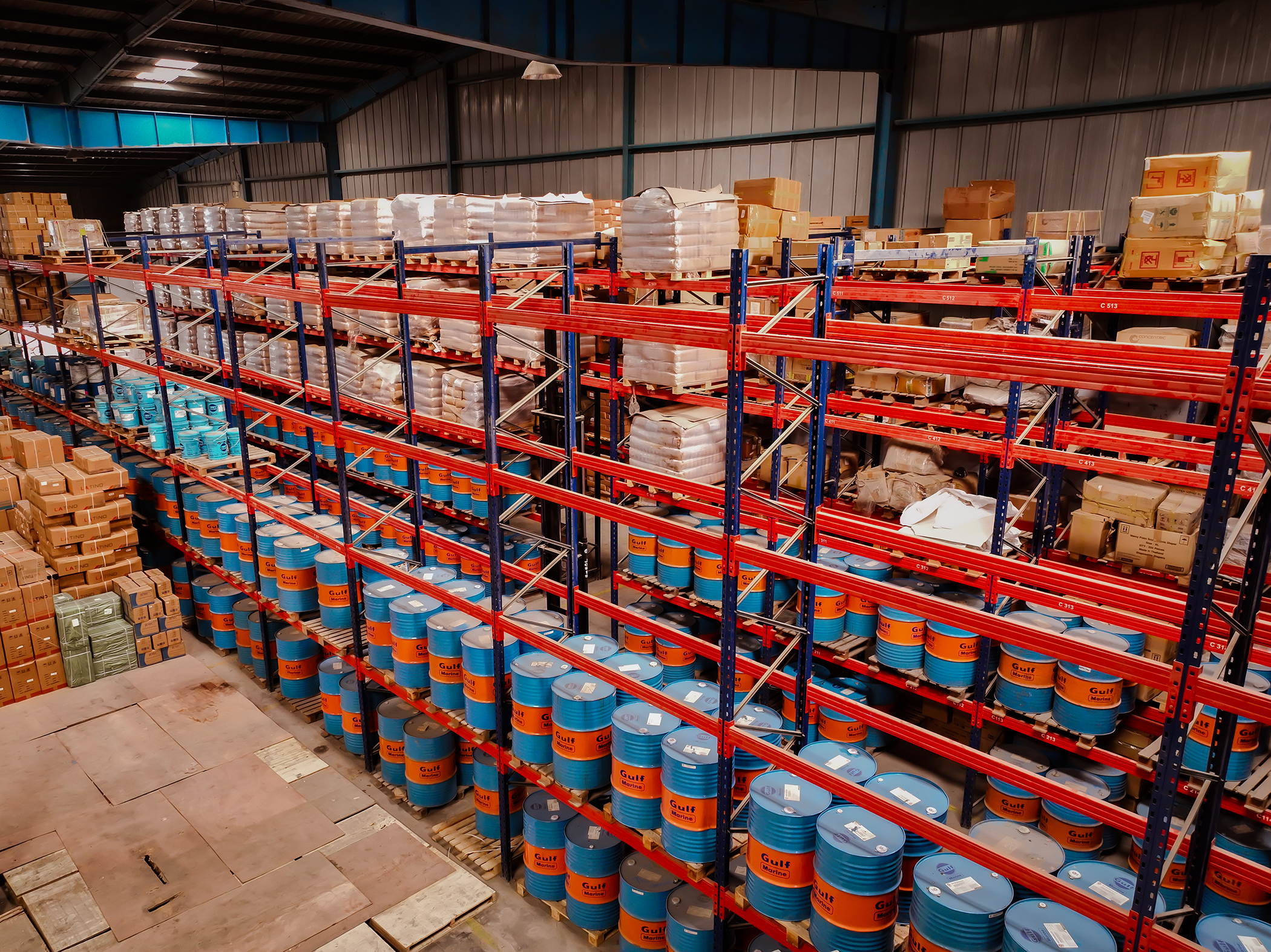
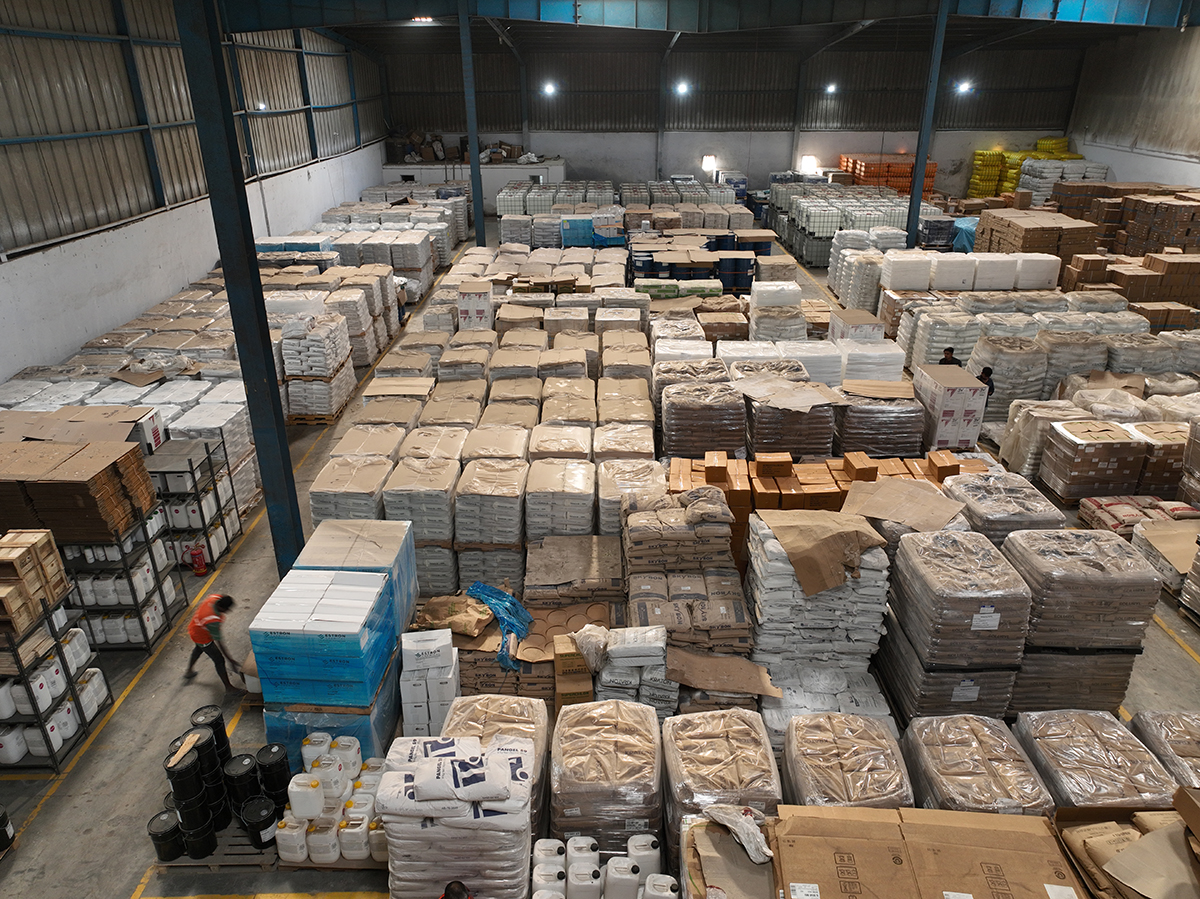
Disorganized warehouses are inherently risky. However, organized storage can dramatically reduce these risks. Specifically, it helps by assigning fixed locations, improving traceability, and reducing unnecessary handling. Furthermore, it supports FIFO compliance at every stage. Clear labeling and zoning also reduce confusion among warehouse staff.

warehouse risk management Bhiwandi

FIFO as a Risk Control Tool

FIFO is one of the most effective risk control tools available. It minimizes expired stock risks, obsolete inventory, batch mix-ups, and customer complaints. In addition, in regulated industries, FIFO is also a legal compliance requirement.

Centralized Warehousing and Risk Reduction

Centralized warehouses reduce risk in several important ways. They limit access points and improve monitoring. Moreover, they simplify audits and enhance control over inventory movement. As a result, with inventory under one roof, accountability improves significantly.


Safety and Compliance Measures

Professional warehouses implement comprehensive safety measures. These include fire safety systems, material handling SOPs, and trained manpower. Additionally, regular audits and strict documentation discipline protect both inventory and personnel.

Technology as a Risk Enabler

Technology supports risk management through real-time tracking and automated alerts. However, physical discipline and process consistency remain equally critical. Therefore, technology should complement human effort rather than replace it.

Akash Storage’s Risk-Controlled Warehousing

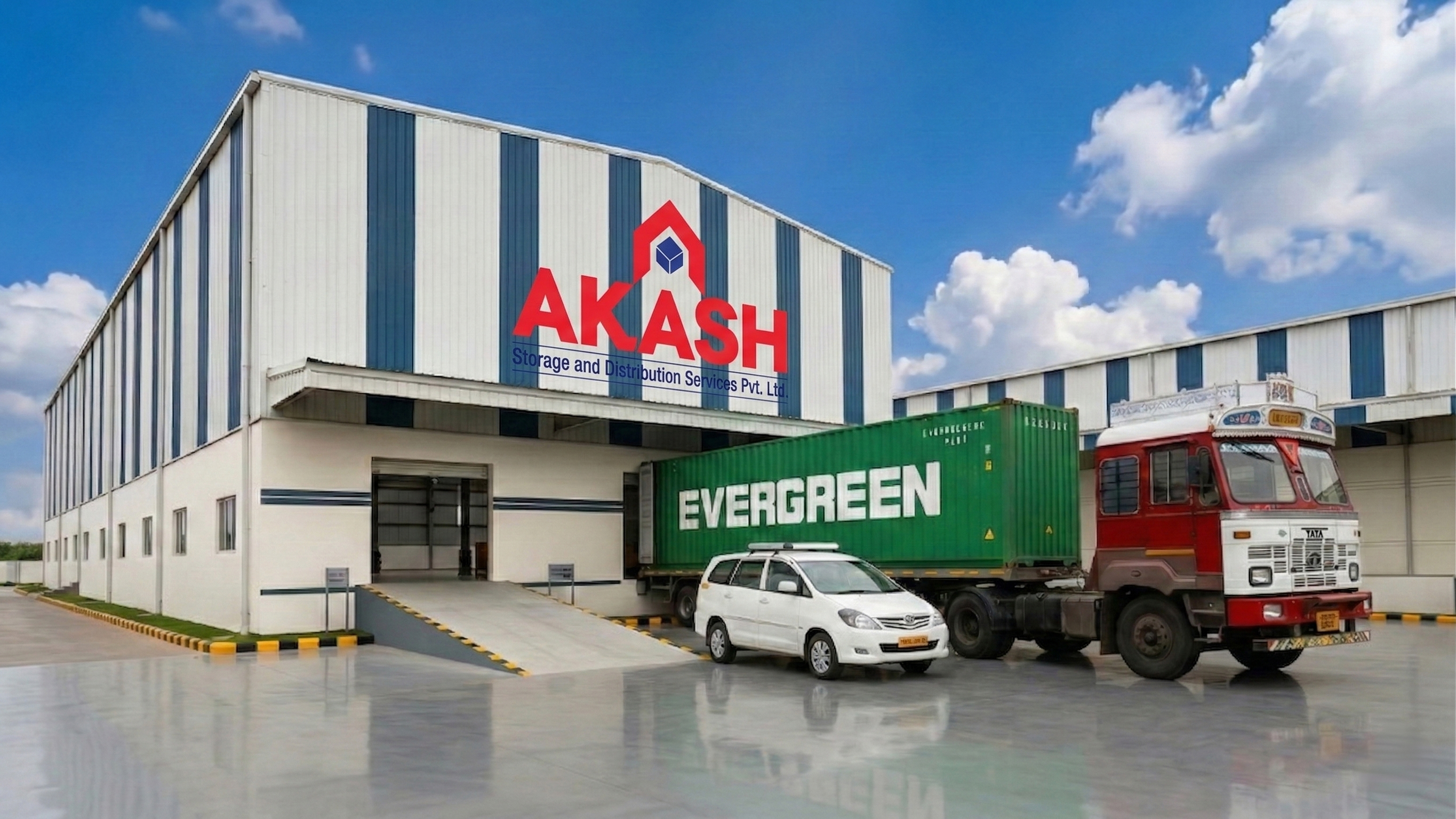
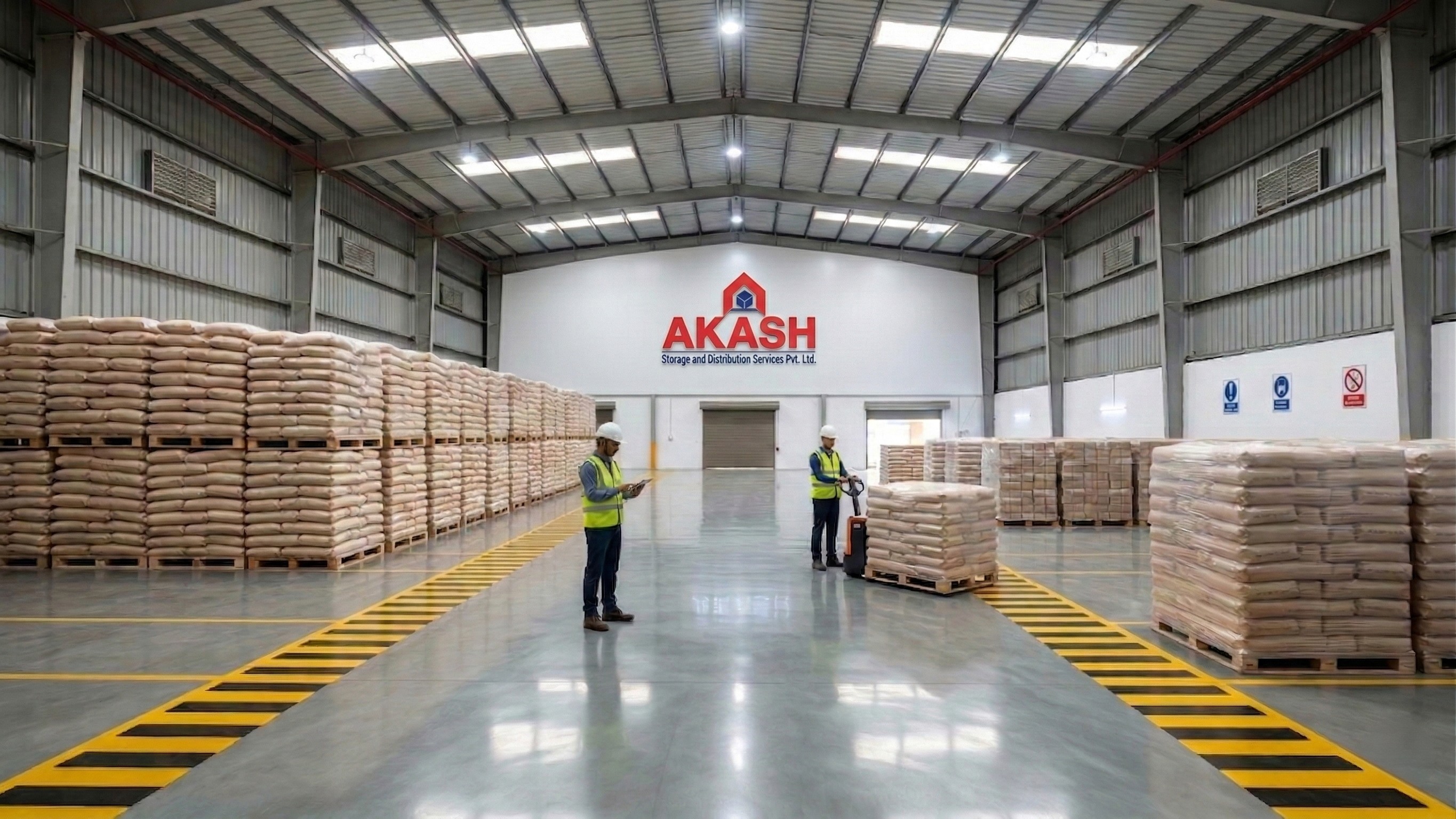
Akash Storage emphasizes structured processes, FIFO discipline, and secure storage environments. Consequently, this approach reduces operational risk across all inventory cycles and gives businesses greater peace of mind.

Comments for this post are closed.