
Warehouse space is one of the biggest cost factors in supply chain operations across India. For businesses operating in high-demand regions like Mumbai and Western India, poor space usage can quietly eat into profits every single day. In fact, studies show that inefficient warehouses can waste 20-30% of their total capacity. This means businesses are essentially paying rent for space they cannot use effectively.
Bhiwandi has become a major warehousing hub because of its large warehouse facilities, affordable rental rates, and strategic proximity to Mumbai ports and markets. The region now hosts hundreds of warehouses serving businesses across industries. However, having space alone is not enough to guarantee good results. How you plan and use that space determines your long-term efficiency and profitability. Poor planning leads to congestion, slow operations, and frustrated teams. In contrast, optimized warehouses run smoothly, handle more inventory, and cost less to operate. Therefore, space optimization should be a top priority for any business looking to improve its supply chain performance.
Why Space Optimisation Matters in Indian Warehousing
Many businesses think warehousing costs are fixed. In reality, poor space use leads to several problems:
- Higher rental expenses
- More handling time
- Congestion and safety risks
- Difficulty following FIFO practices
- Limited room to grow
Therefore, optimizing warehouse space directly improves both efficiency and cost control.
Common Space Utilisation Mistakes
Indian warehouses often face similar issues. For instance:
- Random stacking of pallets
- Wasted vertical space
- Poor aisle planning
- Mixing fast and slow-moving products
- No clear storage zones
Moreover, these problems grow worse as inventory volumes increase.
Structured Layout Planning
Effective space optimization starts with smart layout planning. Specifically, organised warehouses divide space into:
- Inbound zones
- Storage zones
- Picking areas
- Dispatch bays
- Returns or quarantine sections
As a result, this zoning reduces unnecessary movement. Furthermore, it improves flow efficiency throughout the warehouse.
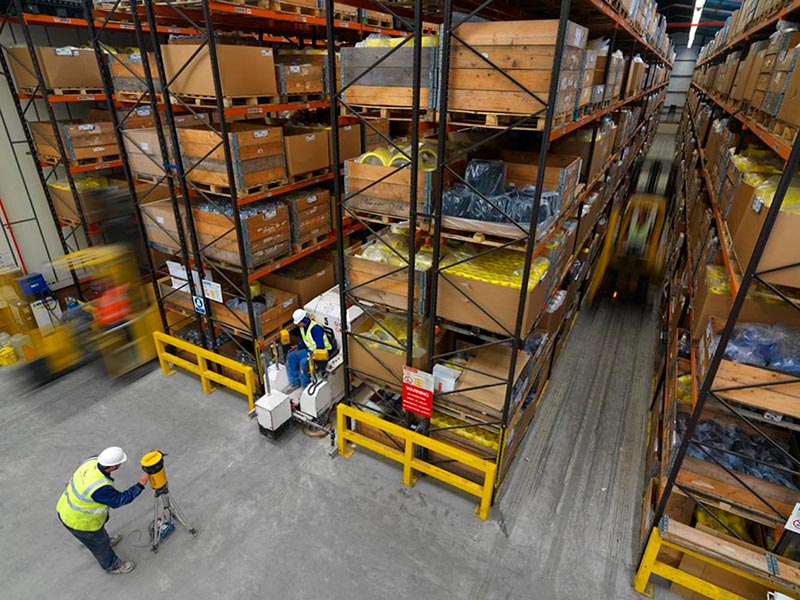
Vertical Storage and Racking Systems
Modern warehouses in Bhiwandi now use racking systems to reach higher. Consequently, vertical storage offers several benefits:
- Increases capacity without expanding floor space
- Improves batch-wise sorting
- Supports FIFO movement
- Enhances safety and visibility
Additionally, proper racking reduces product damage caused by floor stacking.
FIFO and Space Optimisation Work Together
FIFO compliance depends on easy access. If older stock is blocked by newer inventory, then FIFO fails.
In contrast, optimized layouts ensure:
- Clear access to older batches
- Logical storage order
- Faster picking
- Fewer handling errors
Therefore, space planning is critical to maintaining inventory discipline.
Centralised Warehousing and Cost Efficiency
Centralised warehouses help businesses in multiple ways. They allow you to:
- Bring inventory together
- Reduce duplicate storage
- Plan space more accurately
- Control inventory ageing
Furthermore, Bhiwandi’s large warehouse formats make centralized models both practical and cost-effective.
Operational Benefits of Optimised Warehousing
Businesses that optimize space see clear improvements. For example:
- Lower cost per unit stored
- Faster order processing
- Better inventory visibility
- Safer working conditions
- Easier business growth