
Why Sustainability Matters
Sustainable warehousing and logistics are becoming important for every business. Today, customers prefer eco-friendly companies. At the same time, businesses want to reduce costs and waste. Because of this, warehouses are moving toward greener and cleaner operations.
In addition, sustainability helps companies follow environmental rules. It also improves brand trust. As a result, green practices are no longer optional.
Energy-Efficient Infrastructure
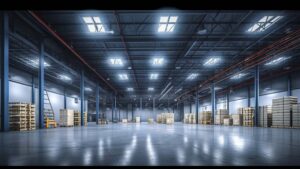
Energy use is a major concern in sustainable logistics. Many modern warehouses now use solar panels. They also install LED lights to save power. Smart energy systems control lighting and cooling automatically.
Because of these changes, electricity use goes down. At the same time, carbon emissions are reduced. Therefore, energy-efficient infrastructure supports both savings and sustainability.
Electric Transport and EV Fleets
Electric vehicles are changing warehousing and logistics. Many warehouses now use electric forklifts. Delivery companies are also adding electric vans to their fleets.
As a result, air pollution is reduced. Noise levels are lower as well. Over time, companies save money on fuel and maintenance. Most importantly, electric transport improves workplace safety.
Recycling and Waste Reduction
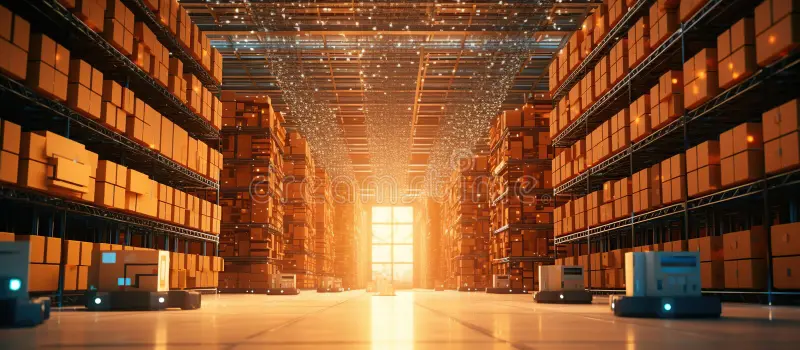
Waste management is a key part of sustainable logistics. Warehouses use recyclable packaging and reusable pallets. Many facilities also separate waste properly. Because of this, landfill waste is reduced. In addition, recycling helps companies build a positive image. Customers trust brands that care about the environment.
Smart Planning for Lower Emissions
Smart tools support sustainable warehousing by improving planning. Route optimization software reduces travel distance. Predictive tools also avoid empty trips. As a result, fuel use goes down. Delivery times improve as well. Therefore, smart planning saves time and protects the environment.

Conclusion
The future of warehousing and logistics is clean and efficient. Green energy, electric transport, and smart planning are key drivers. By adopting these solutions, companies reduce impact and improve performance.