
Customer Expectations Are Changing
Changing customer expectations in logistics are transforming how warehouses and supply chains operate. Today’s customers want fast delivery, clear tracking, and reliable service. Because of this, logistics companies must change the way they work to stay competitive.
Earlier, customers were willing to wait. However, expectations are now very different. Speed, accuracy, and transparency matter more than ever. As a result, warehousing and logistics operations are evolving quickly.
Faster Delivery Standards
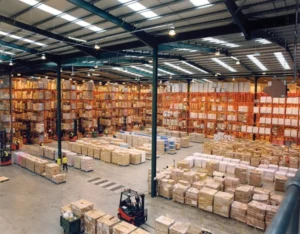
First of all, customers expect quick delivery. Same-day and next-day delivery are becoming common demands. To meet this need, warehouses use automation and smart tools. These tools speed up picking, packing, and dispatch.
Moreover, faster processes reduce errors. This improves customer satisfaction. As delivery speed increases, companies gain a strong market advantage.
End-to-End Transparency
Next, transparency plays a key role in logistics success. Customers want to track orders in real time. They expect clear and regular updates.
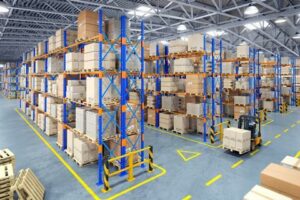
Therefore, companies now use digital tracking systems. These systems send alerts and notifications. As a result, customers feel informed and confident. Businesses that offer full visibility stand out from competitors.
Hyper-Personalized Services
In addition, AI and data tools help companies understand customer behavior. Predictive systems show which products customers want and when they want them.
Because of this, warehouses can store the right products in the right location. This reduces delivery delays. It also supports smoother operations. Changing customer expectations in logistics make personalization a key success factor.
Focus on Quality and Reliability
However, speed alone is not enough. Customers also expect safe handling and consistent service. Damaged or delayed goods hurt trust.
For this reason, warehouses focus on quality checks and process control. Reliable service builds long-term customer relationships.
Conclusion
In conclusion, changing customer expectations in logistics are shaping the future of warehousing and delivery. Companies must focus on speed, transparency, personalization, and reliability. Those who adapt early will lead the next phase of logistics growth.